 Skip to content

 Français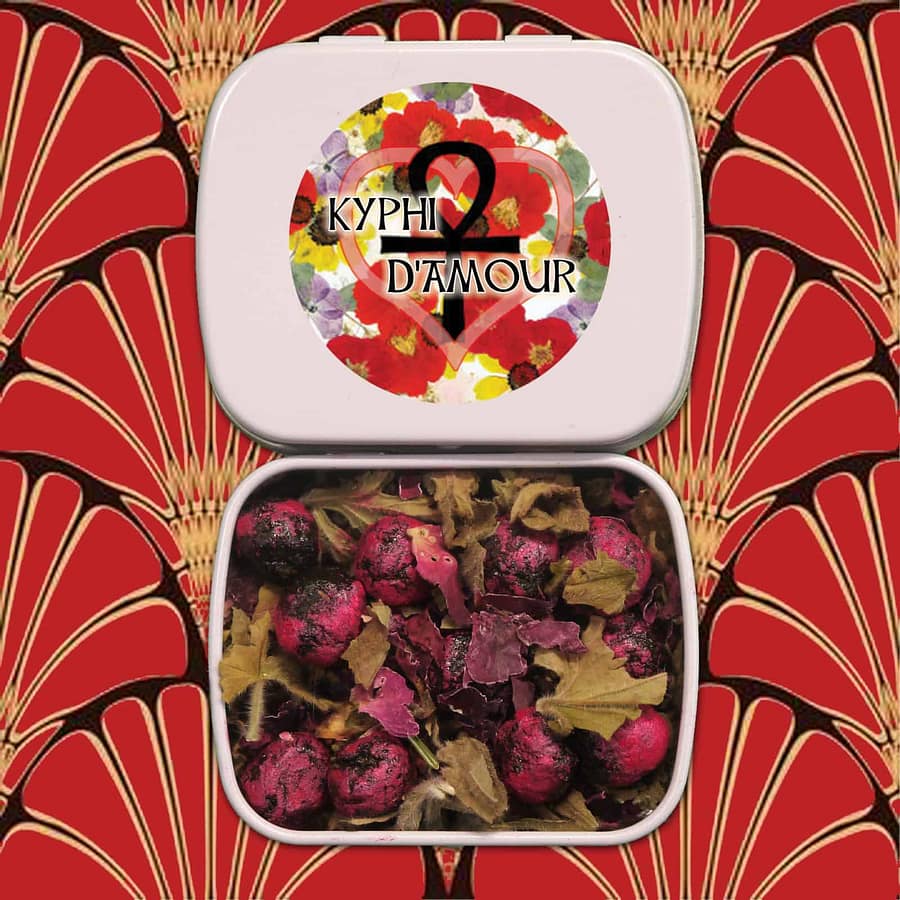

KYPHI D’AMOUR
$25.00
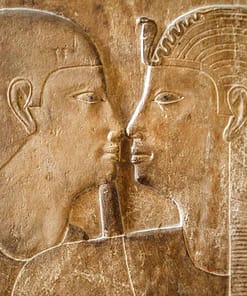
Kyphi d’Amour is based on the process and formula of the renowned ancient Egyptian incense known as Kyphi. Keeping the core anchoring structure of frankincense and myrrh, I have reinterpreted the other ingredients of the ancient formula to create an incense that energetically addresses the many dimensions of love, using botanicals that open the heart, activate the circulatory system, and support reproductive vitality in both men and women.
Heating the incense creates a rich, warm, and complex aroma characterized by balsamic resins with pronounced amber, caramel and vanilla-like notes with floral and spicy undertones. Kyphi d’Amour evokes a comforting, cozy aura conducive to both spiritual and physical love, as its aroma is both deeply grounding yet elevating.
Incense notes: Resins, Amber, Caramel, Spices, Vanilla, with subtle notes of dried Fruits and Flowers
Heat this incense on an electric incense heater at 180º
Ingredients: White Hojari Frankincense resin, Kua Myrrh resin, Balsam of Peru Resin, Storax Resin, Benzoin Siam resin, Labdanum resin, Propolis, Rose Petals, Rose Geranium Leaves, Palma Rosa Grass, Rose Scented Bee Balm Leaves, Bay Leaves, Sweetgrass, Vanilla Beans, Patchouli Leaves, Orris Root, Tangerine Rind, Vietnam Cinnamon Bark, Black Pepper Seeds, Sandalwood, Saffron pistils all bound together with organic honey and raisins soaked in red wine. Rolled in red mica (non-nanoparticles)
12 Kyphi d’Amour pearls nested in rose petals and rose geranium leaves
INSPIRATION
My interests in off-grid living in the forest, and the fragrant arts, plants and plant healing, history and ethnobotany, have slowly converged. Together, they shape a holistic vision of aromatics as healers, rooted in plant’s ecological role in the environment, their medicinal action in the body, and its aromatherapeutic effects on the invisibles. This approach has allowed me to get a glimpse of the living Earth system of which we are all a part. A system designed of fractals and webs-beautiful, incredibly vast and interconnected, that has more points than the stars in the night sky. A design I feel more than I know.
It was this unknowable system that I tapped into to formulate Kyphi d’Amour. I selected twenty-one fragrant ingredients that, as part of their medicine is supporting the heart. Since they all speak the language of the heart, they attune to each other to harmoniously sing aromatic medicine for the heart. A synergy that is part of the magic of the living Earth system. While I have not lived with all the botanicals in Kyphi d’ Amour, only knowing many of them by their aromas, medicinal and energetic properties, I do have a deep relationship with Rose. While Kyphi d’Amour has Rose-like aspects, it is not predominately smell like Roses. I use Rose here as an example to my approach to incense as art and spirit medicine because my interactions with Rose plants have helped me understand the intelligence in the living Earth system.
Many years ago, when I could not afford to buy Rose plants, I started a hundred Rosa rugosa plants from seed that I wild crafted. I instinctively planted them in an open meadow near my cabin, where the soil had been deeply disturbed and compacted, creating a hedge more than seventy-five feet long. Over time, the Roses rooted, spread, and claimed the land, and it is one of my greatest pleasures to observe and interact with the Roses. Every summer, I stand for a moment while I am collecting their petals, always careful to leave one petal for other creatures to land on-the Roses taught me this. The is air alive with buzzing sounds of so many insects and the delicious scent of their flowers. In this sun warmed, hypnotic atmosphere I breath in, relax and feel love and loved.
It is no wonder that across cultures, Rose is associated with the Great Mother as life-giver, protector, and holder of cycles. Cybele, Aphrodite, Venus, Isis, Inanna, and Lakshmi, and Mary, where the rose often symbolized the womb, the heart, and the generative center of life. The thorns reflect the Great Mother’s protective and boundary-setting aspect; the flowers and scent express fertility, beauty, and attraction. Together, they are a metaphor for a maternal intelligence that nurtures while insisting on respect. Roses naturally appear where the land is most exposed and has become vulnerable. Places such as compacted soils, broken pollinator corridors and degraded streambanks. The Roses in my hedge literally broke open channels for water and air flow while their thorny thickets created protected spaces where ground-bees nest and birds’ shelter, restoring the movement of pollinators and nutrients across the land. The feed me, insects, birds, and other animals through flower, scent, and fruit. Every autumn, the migrating birds swoop in to strip scarlet red hips from the plants. The seeds and the remaining flesh tumble to the protected ground under the plants were small animals gather it for winter stores. The few remaining hips, nested under prickly stems, I gather to dry and soak in mead to make an incense binder.
Roses work is one of regulation rather than force. The plants steady circulation in the land, protect what is tender, and keep nourishment moving through changing seasons. This is precisely their gift to the human heart: rose’s volatile oils and astringent tannins open capillaries and strengthen vessel walls, moving stagnant blood and cooling inflammation, while energetically the plant works on the armored heart that has closed after grief or betrayal, gently dissolving rigid protection so circulation of blood, of feeling, of love given and received, can resume.
In the not-so-distant past, when life was lived more outside, when we brushed through the trees in the forest or the plants in the meadow we would have been constantly inhaling aromatics released from the plants and the soil. These scents were daily microdoses of aromatic medicines. We are only beginning to understand how they contribute to a baseline of mental and physical health. Part of a daily incense practise is bringing these medicines back into our lives.
INGREDIENTS
The ingredients list in Kyphi d’Amour comprises botanicals each having more medicinal and aromatherapeutic properties than I have listed. I have selected the properties having to do with the heart, love, the cardiovascular system, and reproductive health. How these properties reflect their roll in their environment I do not know but it would be a fascinating study.
Flower Scented White Hojari Frankincense resin is strongly relaxing alleviating anxiety and depression. Frankincense is often used in heart chakra work healing emotional wounds that block love, clearing space for love to enter. Frankincense also elevates love from the mundane to the sacred, supporting the spiritual dimensions of intimate relationships. Its aroma prepares one for love, offers healing within love, and transforms love into something sacred, as it addresses love at the deepest level.
Balsam of Peru resin has long been valued as a gentle circulatory stimulant, encouraging blood flow to areas in need of support. Its deep resinous, vanillic sweetness with subtle cinnamon-like spice notes is heart-opening and is traditionally linked to the heart chakra, fostering emotional healing and vulnerability. Peru Balsam was burned as incense in pre-conquest South America as a means of connecting with the divine. Later Sixteenth-century popes sanctioned the substitution of Balsam of Peru for myrrh in Christian worship..
Storax resin is traditionally used to stimulate blood circulation and to address both physical and emotional coldness. It has a strong association with women’s health and is used to ease menstrual pain, support menstruation related to blood stasis, and address masses or lumps linked to blood stagnation. Its sweet, balsamic aroma, with notes of cinnamon and spices, is used in heart chakra work to soften defensive patterns and cultivate compassion for oneself and others.
Benzoin Siam resin is traditionally regarded as a gentle circulatory stimulant, supporting blood flow and warming the extremities. It also opens the respiratory system, freeing the breath and calming the nervous system. Its sweet, vanilla-like, creamy resinous aroma creates a nurturing presence and has long been used to comfort broken hearts, heal old emotional wounds, and soothe heartache and disappointment.
Labdanum resin is both a warming circulatory stimulant and a traditional support for women’s reproductive health. Its earthy quality encourages embodied awareness and a grounded sense of presence. With its amber, honeyed, and deeply earthy aroma, labdanum evokes feelings of safety and protection, while its musky sensuality supports a sacred and reverent approach to sexuality.
Kua Myrrh resin, and Myrrh resin in general, is considered one of the most powerful women’s medicines, supporting rites of passage across the reproductive life cycle, from menstruation and contraception to childbirth. It is also a primary aromatic for grief work, aiding the passages through loss and difficult transitions, where compassion and wisdom are born from suffering. Its deep, rich, balsamic aroma, with notes of dried fruits and cherries, evokes fearless surrender.
Bee Propolis, prized for its strong antioxidant properties, is traditionally used as a tonic for heart tissue and to support healthy blood pressure. Strongly connected with the heart chakra, Propolis’ warm, honey-sweet aroma offers deep emotional comfort, evoking the nurturing warmth and protection of the hive and its associations with divine feminine and maternal energy.
Rose is perhaps the most profoundly heart-centered plant in both physical medicine and aromatherapy, operating on multiple dimensions of “heart.” Traditionally used as a cardiac tonic to strengthen the heart muscle, reduces inflammation, improve circulation, regulates blood pressure, and calm palpitations. Rose’s sweet, velvety, honey-floral richness with fresh green undertones is known for healing emotional wounds, opening the heart chakra, and connecting personal love to universal love.
Rose Geranium and Rose-Scented Bee Balm have very similar chemistry. Rose-scented Bee Balm is less used and studied, It appears to have the same effects. Both support hormonal balance, fertility, and breast health, while easing discomfort associated with menstruation, perimenopause, and menopause. They stimulate blood and lymph circulation and are nervous system tonics. These two plants’ sweet floral, rose-like aroma has a minty-herbaceous edge with a citrus undertone that gently opens the heart chakra, not as deeply as true rose, yet effectively balancing the flow of giving and receiving love.
Myrtle has notable traditional associations with cardiovascular health. In Mediterranean folk medicine, myrtle is used as a heart tonic and to support circulation. In ancient Greek medicine, Myrtle was sacred to Aphrodite and associated with feminine health, fertility, and wisdom. Myrtle also has traditional associations with men’s health, though perhaps less prominently documented than its use for women. In some Mediterranean and Middle Eastern traditions, it is considered supportive of male reproductive vitality, likely having to do with its properties as a circulatory stimulant and a hormone regulator. Myrtle’s aroma is fresh, clean, green, and bright with a camphorous sweetness that gently opens the heart chakra, cleansing the heart of bitterness and bringing a fresh approach to relationships and the possibility for divine love.
Sweetgrass is so named because of the large amount of vanilla-smelling coumarin found in every part of the plant. Coumarin influence the blood and circulation with mild blood-thinning effects. Coumarins have the ability to dilate blood vessels, thereby improving circulation and reduce blood pressure. Sweetgrass’s clean, warm, vanilla-like scent is reminiscent of fresh-cut hay or dried grass. It is an aroma that is gentle, comforting, imparting peace and connection to the invisibles.
Vanilla beans have a long history as an ingresient in love potion ingredients and reproductive tonics. Their full-bodied, sweet, creamy, and brandy-rich aroma has a pheromone-like quality and stimulates dopamine release, enhancing pleasure and emotional ease. Vanilla is emotionally relaxing and comforting, which reduces performance and other types of anxiety.
Patchouli has traditionally been used to stimulate circulate the blood and to influence hormonal balance through the endocrine system to influence the production of estrogen and testosterone. This underlies its long-standing associations with fertility and its use for low libido, sexual dysfunction, and frigidity in both men and women. Patchouli’s earthy, dense, musky, wine-like aroma calms the mind, enhances sensuality, and fosters a nurturing environment for connection to physical, emotional, and spiritual love.
Orris root loosening and relaxing, relieving nervous tension in the body as well as acting as an emmenagogue to stimulate menstrual flow. Its aroma is prized in aromatherapy and perfumery for its violet-like fragrance: floral, soft, creamy, and woody, opens the heart chakra, promotes relaxation, reduces stress and creates an atmosphere conducive to love and self-compassion.
Tangerine is traditionally used to protect and strengthen the heart while calming the nervous system. Its bright, sweet, and zesty aroma opens the heart, eases anxiety, and fosters optimism and self-confidence, qualities that support healthier communication and more authentic relationships.
Vietnam Cinnamon bark has a long medicinal history as a circulatory stimulant that warms the body and supports cardiovascular health. Its warming nature has been closely associated with sexual energy, affection, and physical closeness. Across Egyptian, Greco-Roman, Arabic, and European traditions, cinnamon’s sweet, spicy aroma was used in love potions, anointing oils, and incense intended to attract love and strengthen bonds, believed to stir courage in the heart and heat in the blood.
Black Pepper is traditionally used to stimulate circulation, warm the body, and support cardiovascular health. It is also valued for its effects on mood regulation. Its spicy, woody warmth is used to clear energetic blockages, supporting emotional healing, self-acceptance, and the deepening of passionate or meaningful connections.
Sandalwood is traditionally regarded as a cooling, heart-calming aromatic that improves circulation while soothing the nervous system. Acting as a natural nervine and mild sedative, it helps reduce anxiety, stress, and nervous tension. Sandalwood has also been used in men’s reproductive health as an aphrodisiac to enhance libido and address impotence. Its creamy, softly sweet, woody aroma quiets the mind and creates a meditative, intimate atmosphere, making it a revered aphrodisiac across many traditions.
Saffron pistils have been traditionally used in Persian and Ayurvedic medicine to support cardiovascular health and improve circulation. Saffron improves sexual desire, lubrication, and satisfaction in women. In men, Saffron has demonstrated benefits for erectile dysfunction. Warm, earthy, spicy, and subtly sweet, Saffron’s aroma is heart-opening, uniting sensual warmth with emotional uplift.
Related
| Weight | .030 kg |
|---|---|
| Dimensions | 6 × 5 × 1.5 cm |
Only logged in customers who have purchased this product may leave a review.


Reviews
There are no reviews yet.