 Skip to content

 Français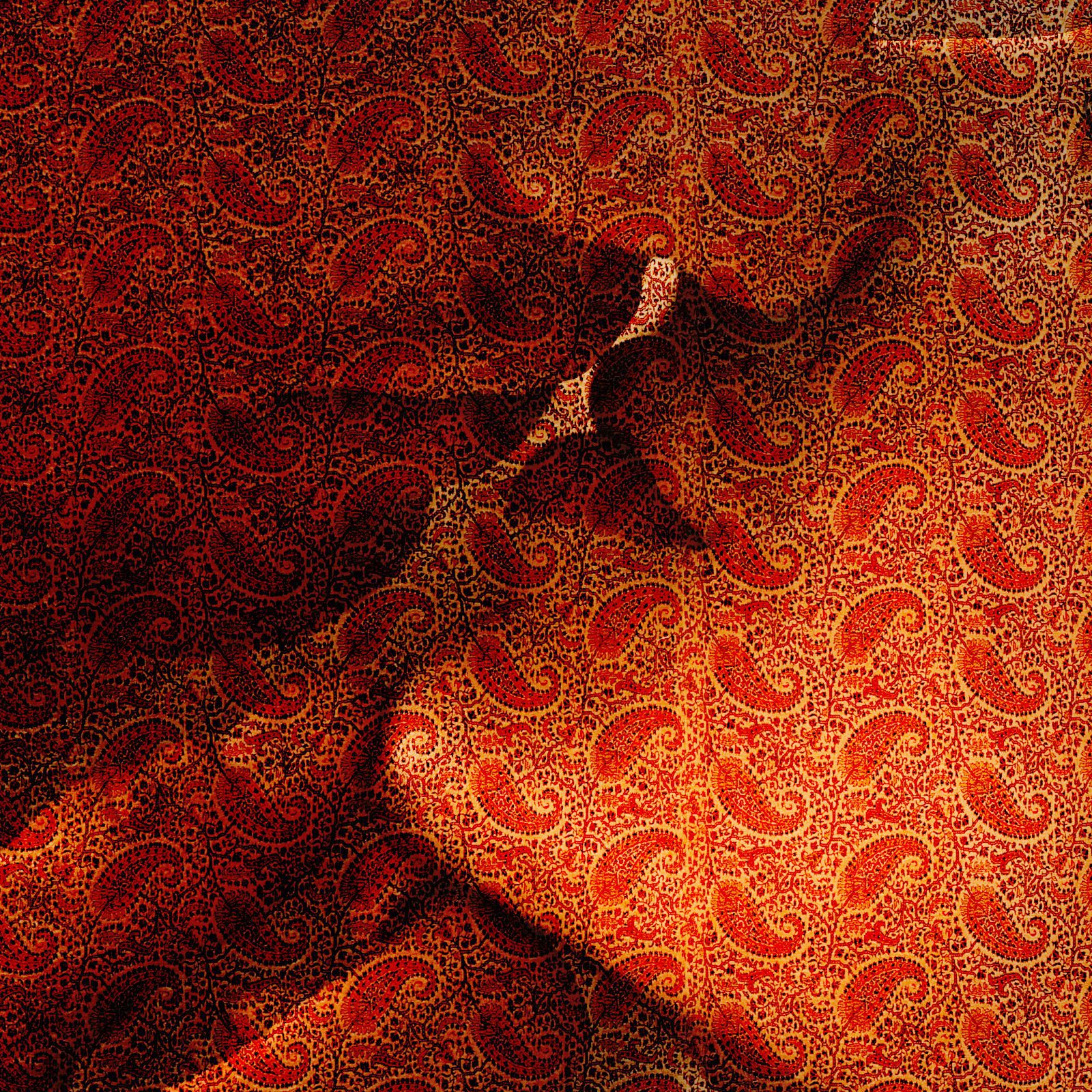






PAISLEY PATCHOULI PERFUME
Price range: $60.00 through $110.00
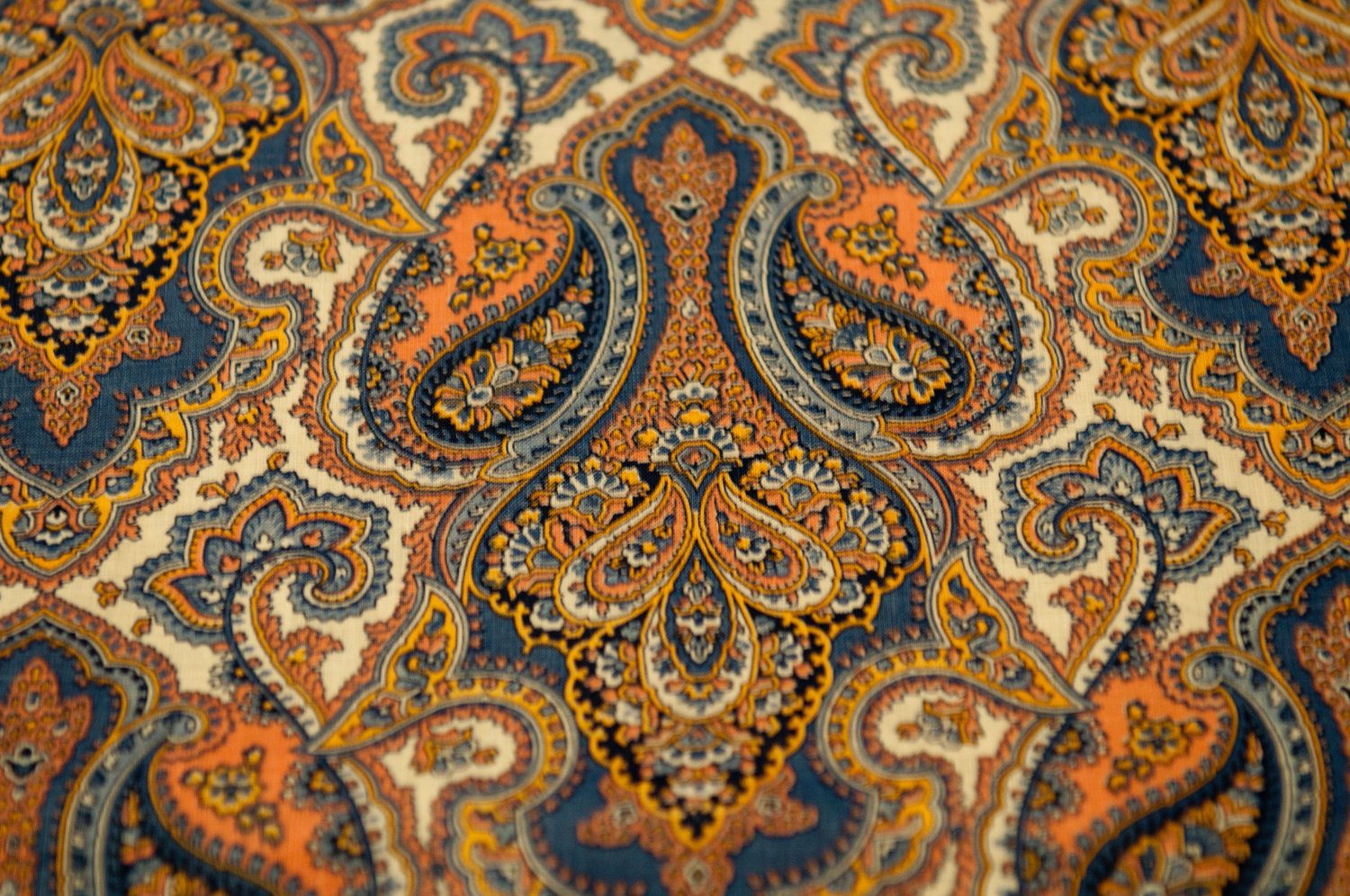
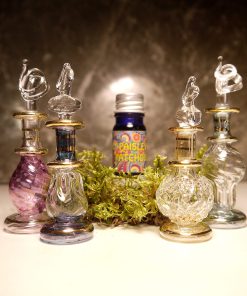
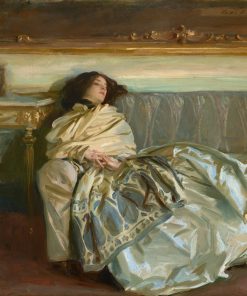
“Paisley Patchouli” is made with a mellow, aged patchouli oil, layered over a blend of labdanum, benzoin and frankincense resins. A dream of richly draped fabrics and the romance of exotic lands in slower times. A perfume for romance and adventure.
Perfume Notes: Patchouli, Amber, Citrus
“Paisley Patchouli” comes with a one-of-a-kind, hand-blown, glass bottle. Click Here To Choose Your Bottle
Ingredients: Aged Patchouli essential oil, Benzoin extract, in-house extract of Frankincense, Virginia Cedarwood essential oil, in-house Extract of Labdanum, Tobacco extract, Palmarosa extract, Cloves extract, Lime extract, Black Pepper extract, Sweet orange extract. All inn organic Jojoba Oil at 40%

Reviews
There are no reviews yet.