 Skip to content

 Français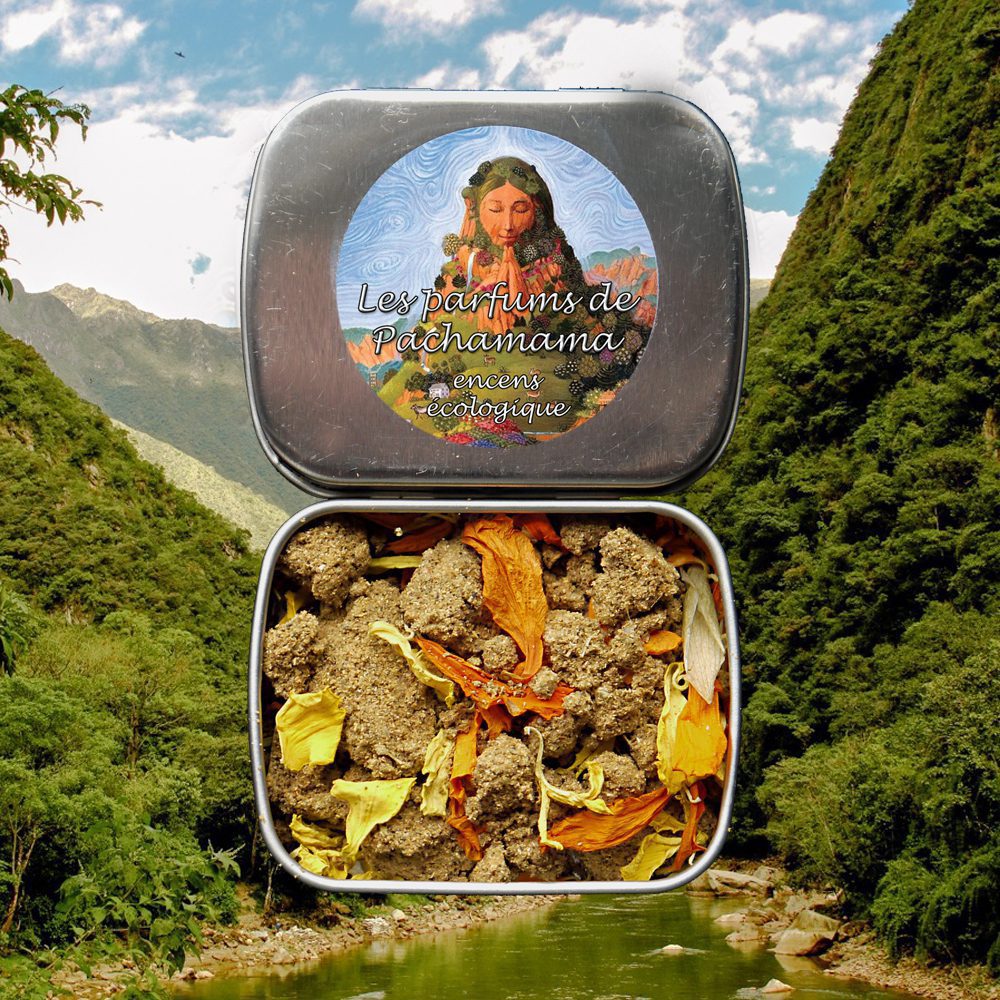



THE PERFUMES OF PACHAMAMA
$24.00
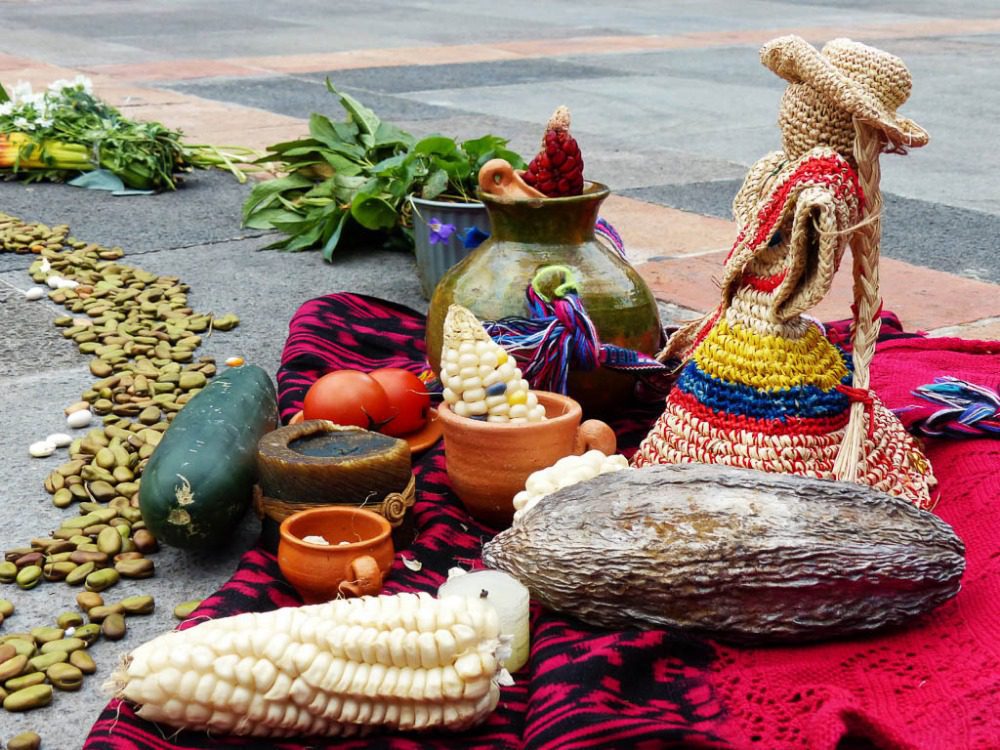
Traditionally, Pachamama is the Mother Earth Goddess of the indigenous people of the Andes. Today, she is honored by people throughout South America. The fragrant plants and resins in “The Perfumes of Pachamama” are all native to the region. Made in the rustic Kyphi style, this incense is rich in the Woody, fruity/balsamic sweet scent of Palo Santo wood and spicy anise notes of Tagetes lucida. This scent-scape is brighten by resinous scents of Copals and deepened by the earthy fragrance of Breuzinho resin. Pachamama is an incense to evoke an ambiance of calm and sacred contemplation which can help in letting go of fears. It also can be used for protection and to help lift the veils between the worlds.
Incense Notes: Wood, Honey, Resins, Spices
INGREDIENTS: Black and White Copal resins, Breuzinho resin, Tagetes Lucida flowers and leaves, Palo Santo wood, Nicotiana leaves, Datura flowers bound with Organic Honey and Figs soaked in Red Wine.
Heat this incense on an electric incense heater at 180º
Inspiration:
“The Earth does not belong to us, but we belong to it, because we are her sons and daughters. Who owns the land? Pachamama is our mother and in this home we live as humans, animals and plants.” René Machaca
“The Perfumes of Pachamama” is built around Tagetes lucida, a plant in the marigold family that I grow in my garden for the pleasures it brings me. Lucida’s leaves and small, deep-orange flowers have a complex spicy-sweet aroma, best described as a combination of mace, tarragon and anise with a touch of mint. All Tagetes species are indigenous to Central and South America and rapidly spread around the world after colonization. The leaves and flowers of Lucida have been used in the South for 1000’s of years in cooking, medicine and as incense.
The Aztec name for name for Tagetes lucida when used in ritual incense is yauhtli meaning “Plant of the clouds”, which is derived from the word ujana, “To offer incense in sacrifices.” They would sprinkle the powder of the plant into the faces of war prisoners who were to be burned as sacrifices so that they would be sedated during their ordeal. Not the most pleasant of thoughts, but at least they had the fragrance of T. lucida to help guide them through to their next life. Even today, many indigenous people use Tagetes Lucida at their house rituals or in public ceremonies.
In the shamanic cultures of Mexico and South America Lucida is used alone and with tobacco as incense or smoked in a pipe to aid clairvoyancy and contact with the spirit world. The Huichol Indians of Mexico smoke lucida, along with N. rustica tobacco, when ingesting Peyote. They say that the combination of plants produces lively hallucinations. The smoking blend alone can produce interesting patterns behind closed eyes, but like with many teacher plants this effect is often accompanied by nausea and vomiting. Smoking small amounts causes feelings of well being and dream enhancement.
In 2021, Washington State University researchers detected Tagetes lucid) and Tobacco in residues taken from 14 miniature Maya ceramic vessels buried more than 1,000 years ago on Mexico’s Yucatán peninsula. Most indigenous peoples did not smoke using pipes but rather canes and corncobs. In 1569CE, Friar Bernardino de Sahagun was the first outside observer to give detail on indigenous “drug” consumption in what is today central Mexico.
“There are many ways of these canes, and they are made from many and diverse fragrant herbs, ground and mixed with each other, and filled and packed of roses, of fragrant spices, of the bitumen known as chapuputli, and of mushrooms, and of roses called poyomalli, or of tlzyetl, which is an herb.”


Reviews
There are no reviews yet.