 Skip to content

 Français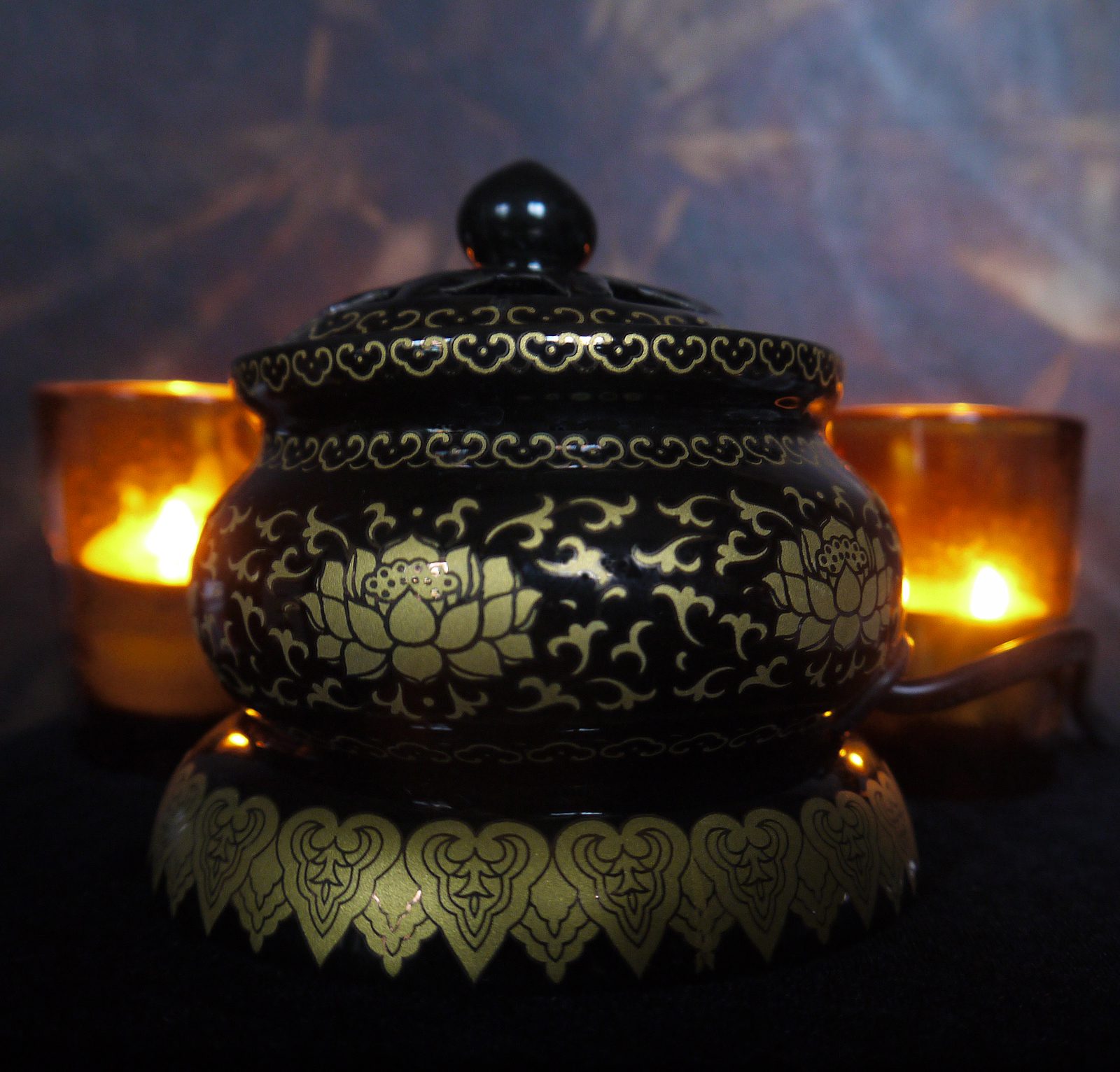
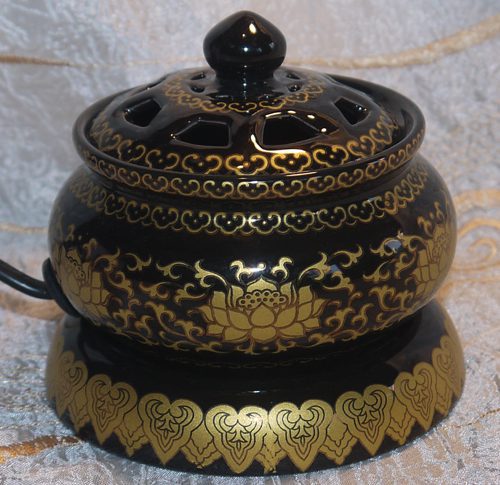




GOLDEN LOTUS ELECTRIC INCENSE BURNER
$60.00
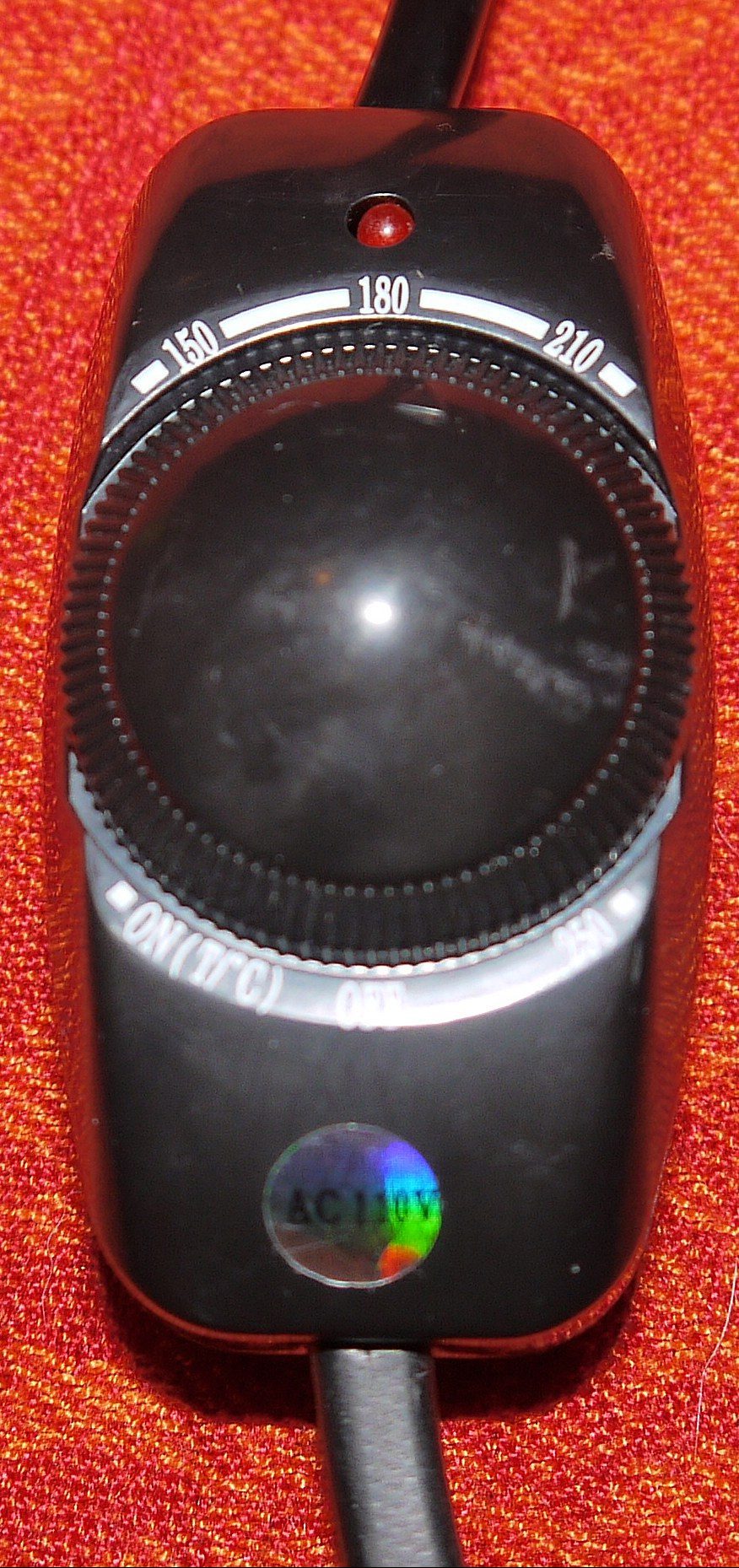
With its adjustable temperature control, making it possible to easily heat incense that produced no smoke instead of burning it, Electric heaters have revolutionized the way that incense is used and inspired a whole generation of incense makers allowing them to greatly expand the fragrant materials they could use.
Specs:
110 Volts
Temperature Control: 50°C – 250°C , 122°F – 482°F
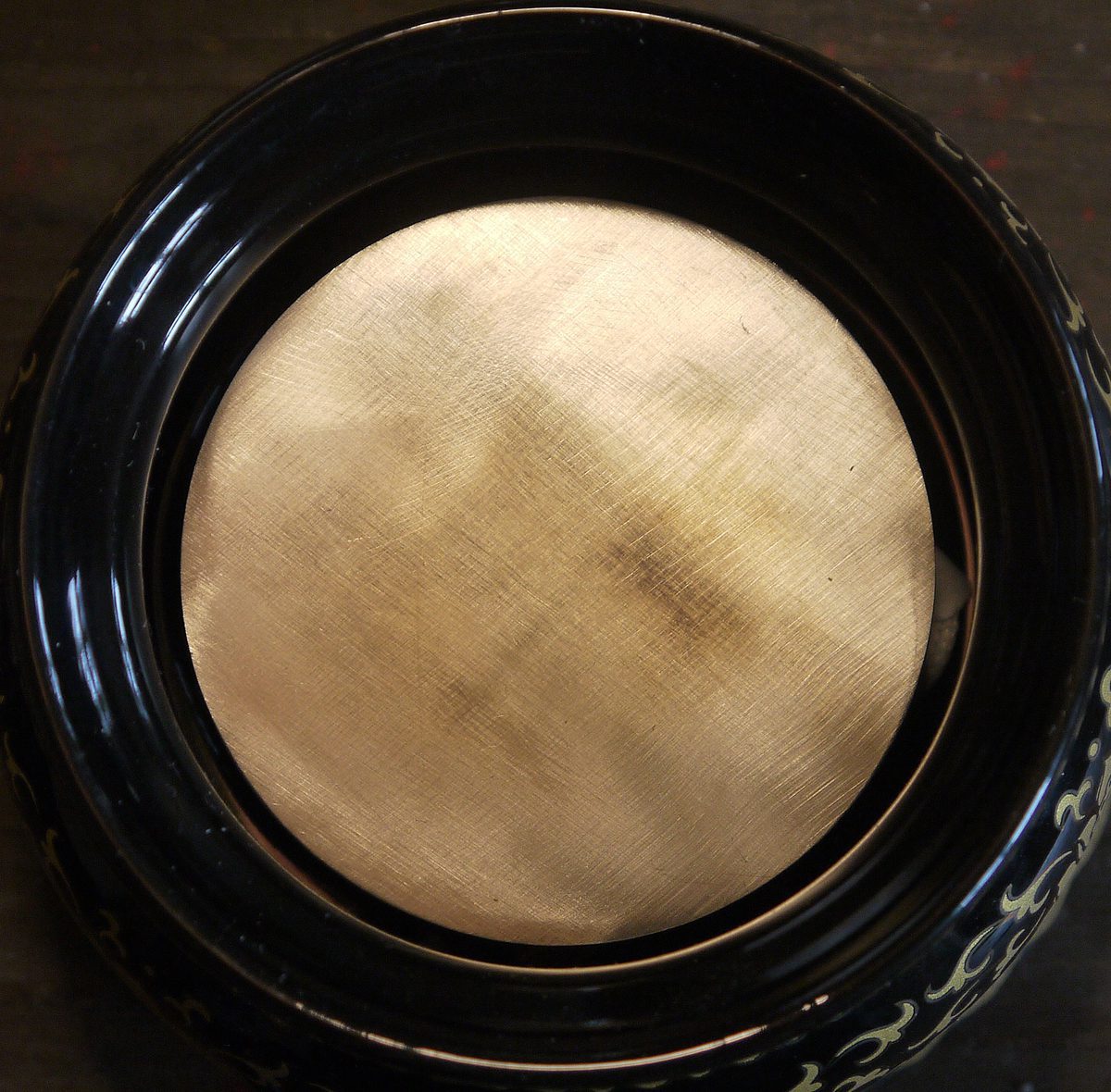
Large, exposed, metal, heating surface
The “Golden Lotus”, electric, incense burner is made in the pleasing shape of a Buddhist “Stupa”. There is a tradition of Chinese and Tibetan stupa shaped incense heaters that dates back thousands of years. Stupa is a Sanskrit word that literally means “to heap” or “to pile up.” Before statues or paintings of the human Buddha were created, reliefs often depicted practitioners demonstrating devotion to a stupa. Stupas grew out of the form of ancient burial mounds into a sacred, round structure with a pointed pinnacle. The purpose and the form of the structure is designed to focus the mind and to mediate between the physical and the metaphysical. The stupa is a perfect container for incense because scent can invisibly delineate a sacred space while calming the emotions and mind in order to transition to a higher realm of consciousness.
MORE ON THE SYMBOLISM OF THE GOLDEN LOTUS INCENSE BURNER
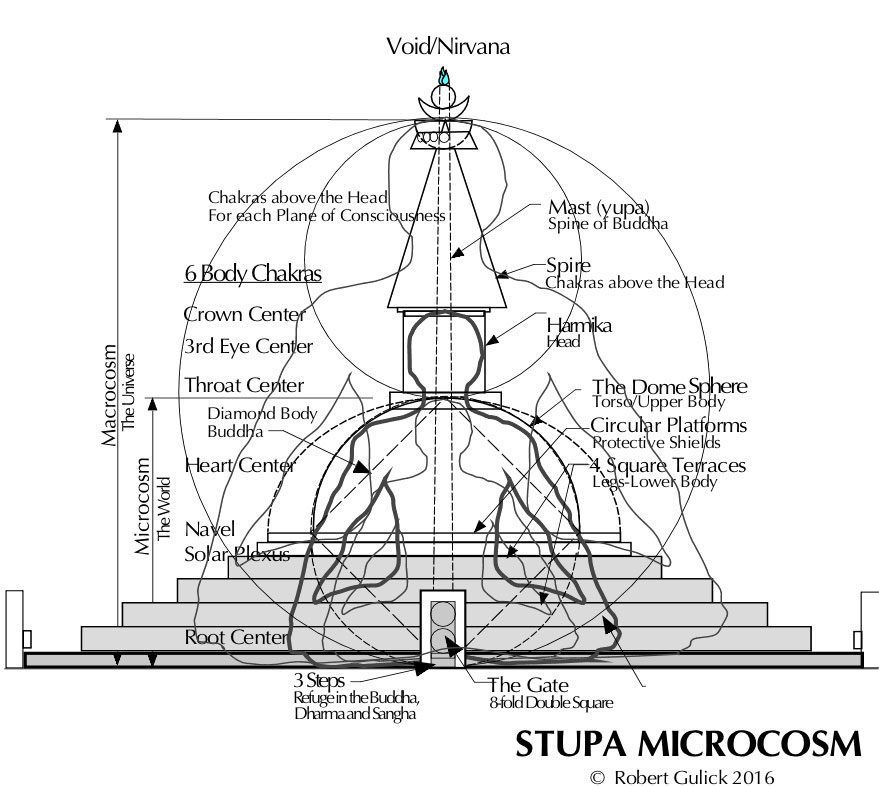
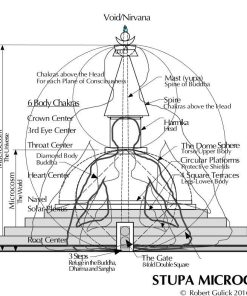
Before Buddhism, great teachers in Asia and India were either cremated or buried in mounds in seated, meditative position. The domed shape of the stupa came to represent a person seated in meditation, like the Buddha, when he achieved Enlightenment and knowledge of the Four Noble Truths.
The base of the stupa represents the Buddha’s crossed legs as he sat in a lotus position to meditate. The middle portion of the stupa is a visual metaphor for the Buddha’s body. The top of the mound, where a pole rises from the apex surrounded by a small fence, represents the Buddha’s head and the place of his crown chakra. The spire symbolizes both the Buddha’s spine and chakra alignment.
In order to allow smoke from incense to escape, the designer of the Gold Lotus Burner incorporated elements of another round structure in the design of the lid. The lid itself is reminiscent of the smoke hole of a yurt. Yurts, like stupas are considered to be a symbol of the universe in miniature. A yurt’s circular smoke hole, known as a toono, is a gateway to the sky. A place of transition to the spiritual. The smoke hole is both a symbol of the sun, and the wheel of dharma, in the arrangement of the four, or eight, cross bracings of the wooden framework within the hole. The lid of the Golden Lotus mimics these eight cross bracings.
THE COLOR OF THE GOLDEN LOTUS
The Golden Lotus imagery is set on a background of black. In Buddhism, black signifies the primordial darkness. This blackness must be overcome in order to eventually reach enlightenment, where hatred and fear are turned into compassion. The color black also symbolizes long life in Asian culture. Long life is something every Buddhist aspires to – because it means that there is a longer time in this life to cultivate positive karma leaving to liberation into Samadhi. The motifs on the Golden Lotus heater are all in gold. Gold is a metaphor for knowledge, enlightenment, purity, happiness and freedom. Alloying gold with other metals is considered a sacrilege and is why you always see very intense gold colorations on Buddhist objects. Shining gold is meant to stimulate an inner radiation.
One of the most interesting examples of black used in Buddhist artwork is the so-called “Black Paintings” created by Tibet monks. “Black Painting” is a special genre of Tibetan thangka painting where shimmering brilliant forms appear out of a glistening darkness. The colors shining colors and finish of the Golden Lotus heater has the feeling of a precious liturgical object that is meant to raise the spirit and inspire the soul to shine.
MOTIFS ON THE GOLDEN LOTUS HEAT
Golden Cicadas

On the base of Golden Lotus Heater is a circle of Cicadas. The fact that the cicadas are placed on the base is notable since the insects represents the Earth. Cicadas spend a significant portion of their life underground in the Earth. Newly hatched insects drop from branches to burrow into the ground, where they nourish themselves on tree roots for as long as seventeen years before emerging into the sunlight. Back above the ground, they climb high into the trees, and their outer skin splits open to allow the full-grown insects to appear.
Since ancient times, the cicada has been seen as a symbol of resurrection, an association that owes to its life cycle. This process was seen as an analogy for the spirits of the dead rising on a path to eternal existence in a transcendent realm. In the Han dynasty, jade amulets shaped like cicadas were placed on the tongues of corpses to symbolize a hope for rebirth and immortality.
Golden Lotus
The middle-body section of the heater is decorated with the motif of six Golden Lotus’. The Golden Lotus that is mentioned in Buddhist sutras has two meanings, one is the symbol for the achievement of enlightenment and the other indicates a metaphysical flower which is beyond our normal perception. The six Golden Lotus on the heater represent the six chakras of the body while the seventh chakra, or crown chakra, is represent by the lid of the heater.
The metaphor of the lotus comes from the fact that though a lotus grows up out of the dark, muddy water of a pond, yet the Lotus blossom is pristine and pure. According to the Lalitavistara, ‘the spirit of the best of men is spotless, like the new lotus in the [muddy] water which does not adhere to it’. According to esoteric Buddhism, the heart of beings is like an unopened lotus: when the virtues of the Buddha develop therein the lotus blossoms. This is why the Buddha sits on a lotus in bloom. The Golden Lotus represents having reached full enlightenment and having achieved all that can be achieved.
Cloud Circles

Around the top of the Golden Lotus Heater are four YUN CHIEN, or “cloud collars”. Yun Chein is a pattern of considerable antiquity and serves as a cosmic symbol. The circles of clouds demarcate the “Sun Door” or “Gate of Heaven” in the middle of the sky, at the apex of the universe. The four cloud collars symbolize the “Four Noble Truths” that liberate us from suffering. They are the truth of suffering, the truth of the cause of suffering, the truth of the end of suffering, and the truth of the path that leads to the end of suffering.

Reviews
There are no reviews yet.