

 Français


“THE SACRED TREASURES” ELECTRIC INCENSE BURNER
$65.00
With its adjustable temperature control, making it possible to easily heat incense that produced no smoke instead of burning it, Electric heaters have revolutionized the way that incense is used and inspired a whole generation of incense makers allowing them to greatly expand the fragrant materials they could use.
Specs:
110 Volts
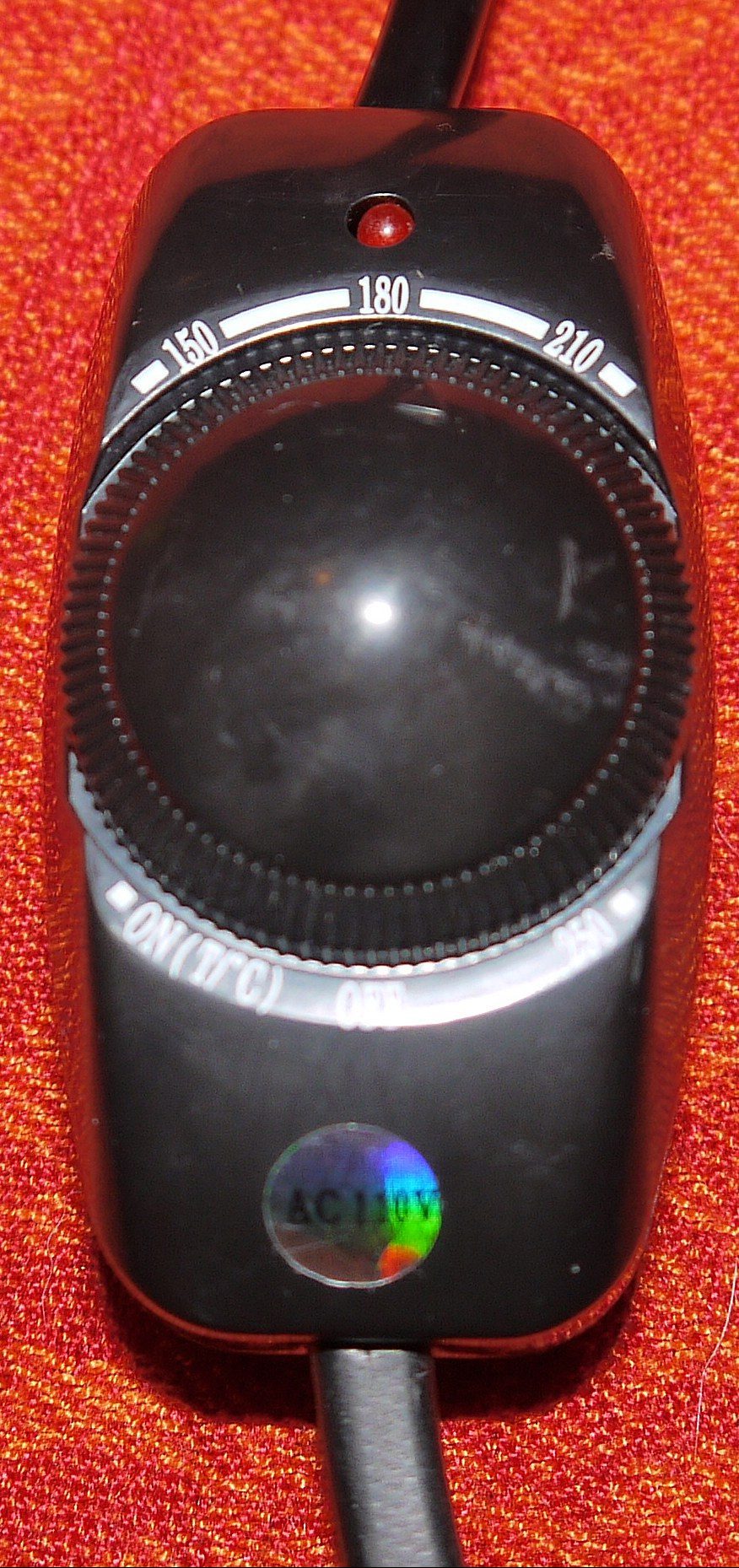
Temperature Control: 50°C – 250°C , 122°F – 482°F
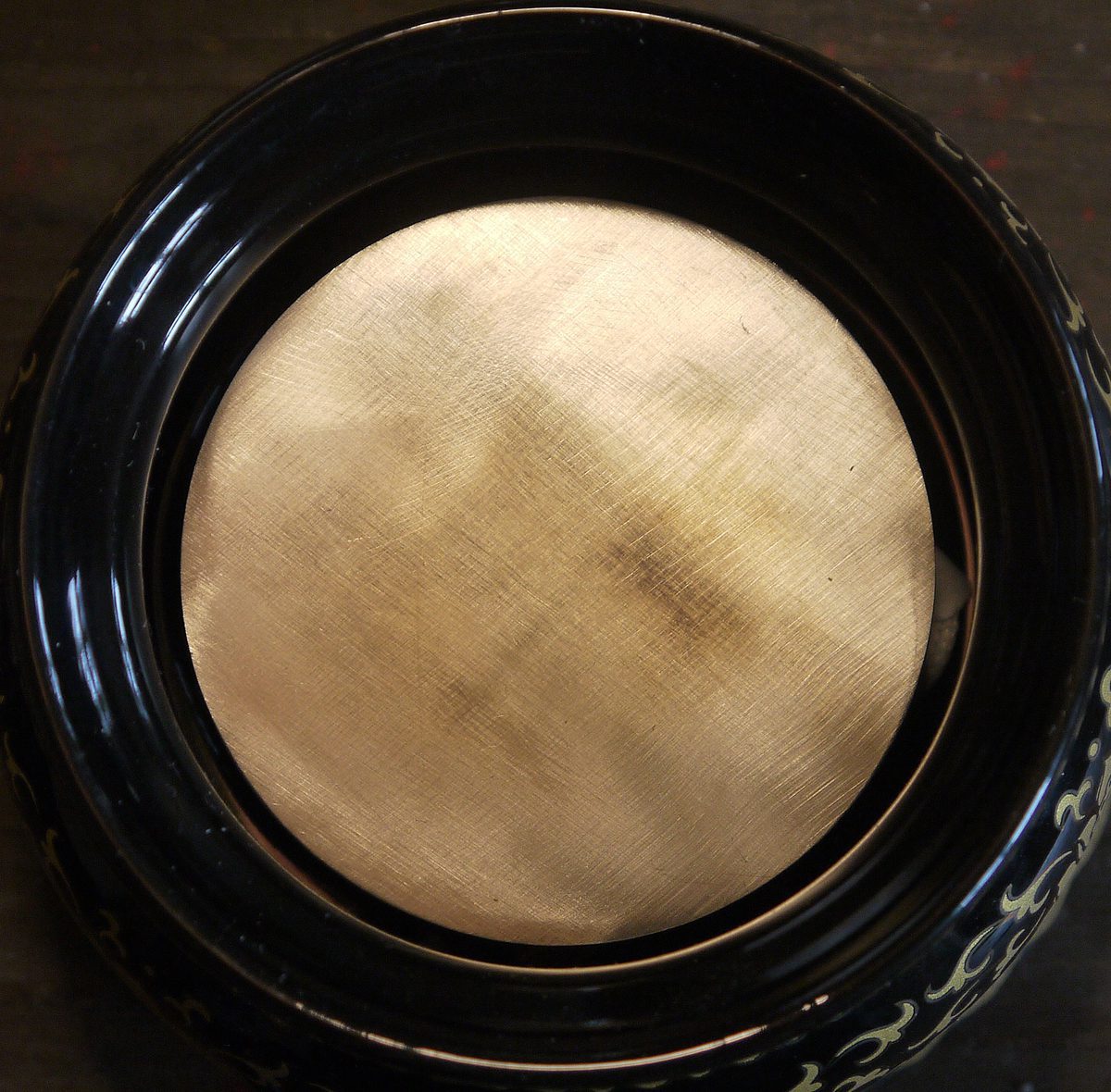
Large, exposed, metal, heating surface
It’s a Tibetan Buddhist principle that it’s good to satisfy your desires, as long as you don’t hurt anyone. Getting what you want is a way of knowing yourself. The symbols of wealth on the “The Sacred Treasures” incense burner evoke the inexhaustible riches within us. The symbols can be seen as a kind of talisman to attract both material and spiritual wealth. The Buddha didn’t think that being rich or having possessions was a bad thing as long as those who possessed them had spiritual values and weren’t attached to their possessions, that they should live simply while being prepared to lose them at any time.
MORE ABOUT THE SYMBOLS ON “THE SACRED TREASURES” ELECTRIC INCENSE BURNER
In Buddhism, the word treasure has both a spiritual and material meaning. “The three riches” are the Buddha, the teaching and the spiritual community. “The seven treasures” are the seven varieties of gemstone: gold, silver, lapis lazuli, shells, agates, pearls and carnelian, which correspond to the seven elements of practice and listening: correct teaching, believing in it, keeping the precepts, engaging in meditation, practicing assiduously, renouncing attachment and reflecting on oneself.
Examining the burner from bottom to top, we can see that it is not just a talisman for obtaining material wealth, but is actually an object for contemplating spiritual wealth. “The Sacred Treasures” imagery is depicted on a black background. Black in Buddhism represents primordial darkness. This darkness must be overcome to achieve enlightenment. The motifs on the burner are all gold, a metaphor for knowledge, enlightenment, purity, happiness and freedom. Combining gold with other metals is considered sacrilegious in Buddhism. This is why Buddhist objects always have a very intense gold coloring. This intense gold is intended to simulate radiation from within.

Around the lid and on the edges of the burner is a Hui (return) and Wen (pattern) symbolizing the cycle of birth, death and rebirth.

The motif in the background of the burner is the character 禄 lù and/or 子 zi, meaning “prosperity”, “promotion”, “well-being” and “son”, “offspring”. The lu or zi symbol represents the design of the Supreme God of Heaven (Tiān 天) from Chinese tradition.

There are two medallions on the burner containing ten coins and three ingots. The coins are seen as lucky symbols with a square inside a circle, a metaphor for the sky surrounding the earth. There is a ying and a yang side to each coin, creating a harmonious balance. China has a long history of producing magic charms in the form of coins. Coins, as a form of money, represent power. Coin-shaped charms are therefore a very compact form of energy. In China, a group of ten coins represents perfection and is considered a good omen.
Beneath the ten coins are three packages of “Sycee” or “Yuan Bao” silver. These were gold or silver ingots used in Imperial China and were originally designed after coin purses. In present-day China, these ingots remain symbols of wealth and prosperity, and are commonly used as decoration during the Lunar New Year festivities. In Chinese culture, three is a very important number. It represents heaven, earth and the human being. Philosophically, “Tao” means harmony between these three elements. This harmony brings good luck.

Represented on the other medallions is a group of Chinese symbols that form the anagram: zhao cai jin bao – 招財進寶 . This character doesn’t actually represent a word, but a talisman artistically written in calligraphy; like four intertwined symbols welded together. Often used during the lunar new year, it means: When you look for the positive, you find treasures.
找 “Zhao” meaning “Look for”, can be found at bottom right.
財 “Cai” means positive and is found to the left of “Zhao”. The left side of “Zhao” becomes the right side of “Cai”.
進 “Jin” means to enter, go forward, is on the far left.
寶 “Bao” the top part of the character means precious and crowns the group of symbols. The lower part of “Bao” represents perfection and is also considered auspicious.
“The Sacred Treasures” burner, is designed as a meditation or ritual tool; to bring success on material, emotional and spiritual levels.
| Weight | 2.0 kg |
|---|---|
| Dimensions | 26 × 21 × 16 cm |
HOW TO USE AN ELECTRIC INCENSE BURNER
For use outside North America, you may need a voltage and/or plug adapter
By using an electric incense heater, unlike charcoal for burning incense, you have control over the heat level which allows you to maintain a smoke free experience. If you want to fumigate, all you need to do is turn up the temperature until the incense begins to smoke. This allows you to fine tune the temperature for a particular blend and therefore you will receive the greatest benefit, scent, and subtle aroma from fine natural ingredients with very little smoke. It lets the incense gently warm up and release its scent.
Electric incense burners are designed for a wide range of fragrant materials. Using incense on an electric burner produces NO smoke and diffuses a far more complex and nuanced fragrance than burning incense on a charcoal. For this reason, Master perfumer Mandy Aftel uses and recommends electric incense burners in her book “Fragrant: The Secret Life of Scent”. If you do want to fumigate with smoke for a particular occasion, all you have to do is turn the heater temperature up until the incense starts to smoke.
The heaters are equipped with adjustable thermostat that has a temperature range from 50-250˚C. Some have a timer. The heater is suitable for tender dried flower petals to precious agar wood and is perfect for fine incense blends that contain a wide variety of fragrant materials. It can also diffuse essential oils, raw resins, neri-koh incense, incense powders, candle melts and fragrant oils. The ceramic housings are specially designed to withstand the highest temperature setting and will never crack from heat exhaustion.
The heaters’ forms, and decorations are based on classic incense burner designs that are not only pleasing the eye but into which are woven spiritual meanings that are a perfect accompaniment to meditation, ritual or to allow the spiritual into everyday life.
HOW TO USE AN ELECTRIC INCENSE BURNER
1- Place a piece of aluminum foil or parchment paper on the heating surface to hold the incense. Do not use the small saucers included with the burner, they are for essential oils. Do not put the incense directly on the heating surface because the incense will stick to the surface and it is almost impossible to completely clean off the incense residue. For essential oils, just fill the metal pan with water and add a few drops of oil. Note that it may take a minute or two for the scent to begin to be released.
2-Connect and adjust the burner temperature to the desired setting. A red light will come on. If the burner has a timer, click through, the light will advance, to the desired length of time, 1h, 2h, 3h, 4h, 5h.
3- Place the incense on the paper, with the small spoon supplied with the burner. Leave the incense on the burner until the fragrance is fully released or the incense turns a darker color. You can turn off the burner at any time and reuse the incense until no more fragrance is released.
4- If the burner includes a base, always ensure that the burner rests on its base before use.
5- Keeping the lid on the burner keeps the heat constant and releases fragrances for longer. For larger rooms, it may be necessary to remove the lid.
Only logged in customers who have purchased this product may leave a review.
Reviews
There are no reviews yet.