
 Français
Uncategorized, Incense
Natural Incense: What It Really Means and How to Choose Wisely – Labeling, Ingredients, Health, and Synthetic vs. Natural Explained

May
“Natural incense” sounds reassuring, but do you truly know what you’re breathing in?
This FAQ offers brief answers to the most common questions about natural incense. If you are interested in the history, plants, aromatic materials, and traditional practices behind these answers, continue reading for a much more in-depth exploration below.
Natural Incense FAQ
What does “natural incense” actually mean?
“Natural incense” has no regulated definition and does not guarantee the absence of synthetic ingredients.
In practice, many products labeled natural combine plant materials with synthetic fragrance oils or lab-made aroma chemicals.
Can “natural incense” contain synthetic fragrance?
Yes, many “natural” incenses still contain synthetic or “nature-identical” fragrance chemicals.
Botanical powders are often used as a base, while the primary scent comes from added fragrance blends.
What does the term “fragrance oil” mean on an incense label?
Fragrance oils are lab-created blends of aromatic chemicals used to produce or enhance scent.
They may be fully synthetic or mixed with small amounts of natural extracts, and their compositions are usually undisclosed.
Is synthetic incense harmful to health?
Yes, synthetic incense can potentially affect health, especially with frequent or long-term exposure, because some synthetic fragrance chemicals and their smoke byproducts may irritate the lungs, trigger sensitivities, or interfere with the body’s hormonal systems. Research on many of these compounds is still emerging, and their long-term effects when regularly inhaled are not yet fully understood.
Are “natural identical” fragrances harnful to the health?
Natural identical molecules occurring at doses far beyond what is normal in the environment, in order to concentrate a particular odor such as rose, evergreen, or citrus, can likely cause health problems.
Is incense regulated for safety?
Incense is not fully regulated for inhalation safety, and most standards do not address combustion.
Organizations like IFRA focus on skin exposure in perfumes rather than the effects of burning fragrance materials.
What types of incense are most likely to contain synthetic ingredients?
Dipped incense, bamboo-core sticks, cones, and bakhoor are most likely to contain synthetic fragrance.
These products typically often rely on synthetic perfumed oils applied to an otherwise unscented base.
What types of incense are least likely to contain synthetics?
Raw resins, aromatic woods, loose blends, heated pellets and high-quality coreless incense are least likely to contain synthetics.
These forms depend more on the inherent scent of plant materials and simpler formulations.
How can you identify a truly natural incense?
Check for a full ingredient list with clearly named botanicals.
Natural incense usually has a subtler scent when unlit, no oily residue, and some variation between batches.
Is heated incense safer than burned incense?
Yes – Heated incense produces fewer harmful byproducts because it avoids combustion.
It allows aromatic compounds to diffuse more gently without creating as many smoke particles or degradation products.
Natural Incense Explained Table of Contents
Natural Incense – Introduction: Definitions, Marketing, and Misconceptions
The Problem With the Word “Natural”
The word ‘natural’ appears everywhere in natural incense marketing, yet what does it really mean. It can describe anything from raw resins gathered from trees to laboratory-built fragrance oils dissolved into charcoal dust. Although, I prefer the word “ecological” to describe my own natural incense, even I use the word “natural” in helping people to find my website and when discussing incense.
No Legal Definition and What It Means for Consumers
Most people are surprised to learn that there is no legal and regulated definition for the word “natural”. A “natural” incense can be made with plant-based powders yet loaded with petroleum-derived, lab-made aroma-chemicals, glues and dilutants.
Marketing Language vs Ingredient Reality
Understanding what natural incense truly means requires separating marketing language from ingredient reality and looking closely at how incense is made, what it contains, and how it behaves when burned or heated.
Why People Seek Natural Incense: Sensitivities and Health Concerns
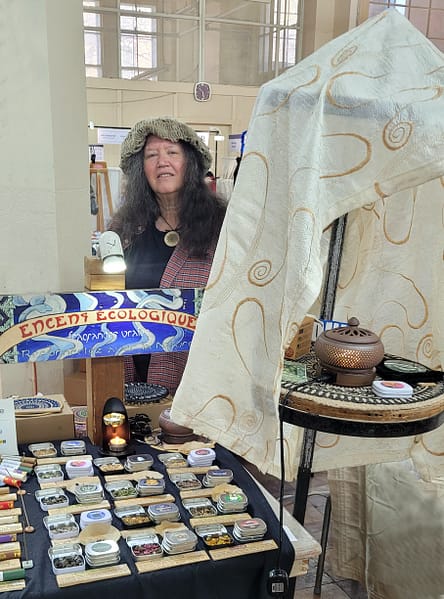
We like to imagine incense as something ancient—plants, resins, smoke, and ritual. But much of what is sold today under that name is a modern invention, shaped as much by industrial chemistry as by tradition. I meet many fellow incense lovers at my kiosk or online, not only because they are aromaphiles, but because they have developed sensitivities to synthetic fragrances and have allergic reactions to burning incense. Having worked as an herbalist for twenty-five years and as a natural incense maker for more than a decade, my work has always been concerned with how plant materials and aromatic substances affect the body, not only in theory but in lived experience. Over the years, the question of what we are actually breathing when we burn incense has arisen often in conversation with my clients, and it has become central to how I formulate incense.
Common Reactions to Synthetic Fragrance
Their reactions can be quite severe, especially when burning incense in enclosed spaces, and can include difficulty breathing, headaches, nausea, and eye irritation. Humans did not evolve with many of the lab-produced chemicals that are now common in our environment, and our bodies rightly perceive them as toxins.
I have noticed that I instinctively hold my breath whenever I walk past a house venting hot air from a laundry dryer that is heavy with the smell of synthetically scented, endocrine-disrupting dryer sheets. In the contemporary world, we are surrounded by all types of manufactured toxins, from the fire retardants on our furniture to the glyphosate baked into commercial bread.

Personal Toxic Load and Everyday Exposure
Most people are quite surprised to learn that burning incense containing synthetics can contribute to their toxic load, causing endocrine and genetic disruption, decreasing fertility while increasing the possibility of cancer, and affecting their pets’ health even more than their own. Managing our personal toxic load by informing ourselves and reading labels is part of a conscious life in the modern world.
Indoor Air Quality and Enclosed Spaces
Ideally, incense should be burned in a well-ventilated space with a window open. During the winter in northern countries, with windows sealed shut against the cold, this is often not possible, so it is important to know what is in the incense you are burning.
Ingredient Transparency Matters
For years, the fragrance industry has been very secretive about its formulas as proprietary information, but listing ingredients is not the same as revealing a formula. Most incense makers have access to the same materials but create different variations. Just as Picasso and Georgia O’Keeffe used the same oil paints, their works of art were very different. Ingredient transparency is an important part of labeling in the 21st century. Any incense that does not divulge its full ingredient list on its packaging or online is one to be wary of.
What Natural Incense Is Made From: Traditional Ingredients and Formulation

Plant Materials Used in Incense
Originally, all incense was made from entirely from plants and plant derived extracts. The formulas for traditional incenses include aromatic plants that are used whole or ground into various sizes. Any part of the plant that is fragrant can be used: resins, wood, leaves, roots, seeds, and needles.
Binders, Fixatives, Modifiers and Fragrance Extracts
The powders may be used on their own or blended with other ingredients to adjust their form or function. Additional ingredients may be introduced: wood or gum binders to transform loose powders into a workable dough; clay and minerals to influence burn rate and the character of the smoke; seashells to anchor and prolong the scent; bamboo cores to provide structure; and importantly, essential oils, absolutes and tinctures that enhance the overall fragrance.
The Rise of Synthetic Fragrance in Incense

Early Synthetic Fragrance Development
By the late 1800s, synthetic aroma chemicals began to be commonly used in perfumery and incense, marking a pivotal shift from reliance on natural ingredients. Even then, the perfume industry operated through international networks, with facilities in France and India collaborating on the production and formulation of fragrance ingredients.
Industrialization of Fragrance
The perfume “Fougère Royale,” released in 1882, was the first fragrance to prominently feature synthetics. The demand and production for synthetic fragrance chemicals exploded in the fragrance industry in 1921 with the launch of the extremely popular perfume “Chanel No. 5.” The search for promising synthetic fragrance chemicals became intense.
Adoption in Incense Manufacturing
By the 1920s and early 1930s, synthetic chemicals like Musk Xylol, Musk Amberette, and Crystarose were already being used for bamboo-cored incense manufacturing in India. Synthetic chemicals in incense became popular primarily because they were cheap in comparison to the extremely expensive natural ingredients and ensured a steady supple as opposed to wildcrafting or farming.
Why Synthetics Became Dominant
Unlike many natural oils that degrade when exposed to heat or alkaline environments the synthetics are highly stable. Musks add a “second-skin” effect, creating a warm, intimate aura Musk molecules are large and heavy, causing them to evaporate very slowly. They act as “anchors,” slowing down the evaporation of lighter, more volatile notes Today, in the 2020s, the vast majority of commercially produced incense relies on synthetic fragrance oils.
Natural Incense vs Synthetic Incense: Where the Labeling Gets Fuzzy

When “Natural” Refers Only to the Base
The reality is that most contemporary incenses are made from a combination of botanicals and synthetics. This is where the term “natural” gets very fuzzy, because you can have an incense dough made with natural plant powders then infused with synthetic fragrance. The natural plant powders for the dough can also include charcoal and potassium nitrate.
Botanical Bases With Synthetic Fragrance
Bamboo-cored incenses from India called “Masala” are the best known of these blended incenses labeled “natural”. But, they are not the only incenses labeled as “natural” that contain a combination of synthetics and plant derived ingredients. Bakhoor, for instance, is often made with wood chips drenched in synthetic fragrance oils and sealed with sugar. Japanese incense stick manufacturers sometimes incorporate synthetic fragrance chemicals to their incense doughs to fulfill the market’s demand for oceanic, floral, and fruity scents. Even many “Church Incense” ateliers knead a cocktail of fragrance chemicals into their frankincense, myrrh and benzoin resin powders in order to create floral scents such as lily of the valley and rose.
Greenwashing in Incense Marketing
In such cases, many manufacturers greenwash these combination incenses, calling them “natural” since they have a botanical base, yet most or all of their aroma is a synthetic perfume. If the incense has an ingredient list, these synthetic mixes are usually labeled as “perfume” “fragrance,” “parfum,” or “aroma”. This cocktail of synthetic chemicals and sometimes natural ingredients is known in the industry as a “fragrance oil.”
What Are Fragrance Oils?

Fragrance oils are blends of synthetic molecules or blends of synthetic and botanical aromatics designed to mimic natural scents or to create entirely new ones. Unlike plant-derived essential oils, which are distilled directly from plants, fragrance oils are created in labs, to produce stable, long-lasting, and consistent fragrances. Usually, the formulas for fragrance oils are not revealed, as they are considered proprietary information. Many of the chemicals in these blends are intended to make the incense smell good in the box.
Fragrance Oil Formulation
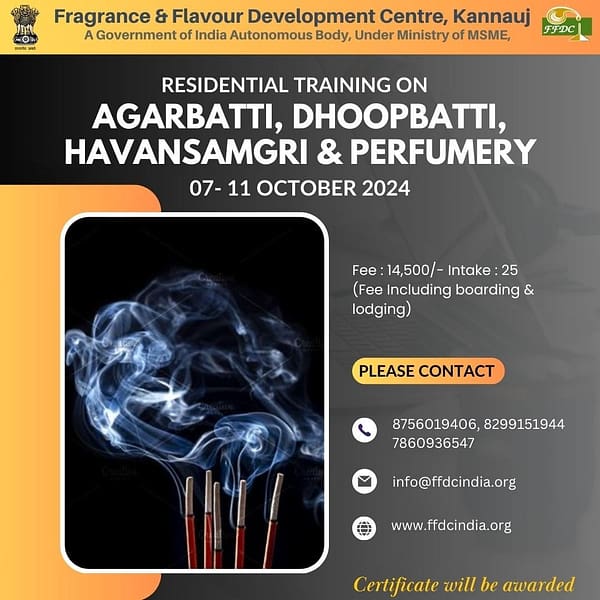
A poster announcing an incense formulation class sponsored by the Indian government.
Agarbatti=bamboo-cored incense,
Dhoopbati = solid sticks, logs, or cones
Havansamagri (Sacred Fire Mix) = a loose mixture of dried herbs, resins, woods, and seeds.
In India, the government has been supporting the incense industry for many years and offers classes in incense that includes making synthetic/natural perfume blends for incense. The perfume formulas below are from their textbooks. Often, the literature suggests adding trace amounts of essential oils not for structural necessity, but to impart a perception of “naturalness.”
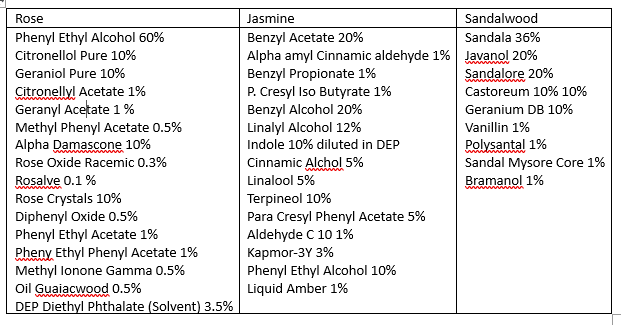
Fragrance Oils Using “Natural-Identical” Molecules Explained
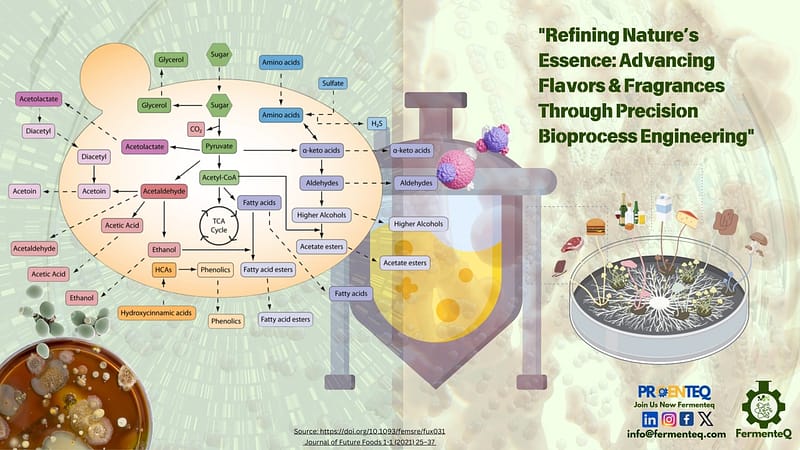
Lately, a new category of incense perfume has emerged: so-called “natural-identical” fragrance oils. These are fragrance oils that use molecules produced by genetically modified yeasts and bacteria to create single fragrance molecules. The living yeasts and bacteria are turned into tiny biochemical factories. Scientists reprogram their metabolism so that, instead of making only what they need to live, they overproduce a specific scent molecule. These scent molecules are used in formulas at concentrations far beyond those normally found in nature. Manufacturers market these formulas containing lab-produced chemicals as if they were the same as complex essential oils and “certify” them as being free of synthetic ingredients. Greenwashing these single molecules, and mixtures of them, to incense makers as if they are the equivalent of plant derived extracts even though they are bio-engineered. Incense makers then label their products using them as “natural.” This practice is an example of modern greenwashing that obscures the distinction between complex plant extracts and isolated molecules.
Why are Synthetic and “Natural-Identical” Fragrance Molecules More Harmful than Traditional Essential Oils and Extracts

Are Synthetic Fragrances an Uncontrolled Experiment?
Human beings evolved in relationship with plants. We breathed their aromas, ate their leaves and fruits, and adapted to their chemistry. Most of us living in the 21st century are historically unique in that most of us have developed in a constant bath of synthetic chemicals. This is a unique evolutionary event. We are, in fact, guinea pigs in a vast uncontrolled experiment. Synthetic chemicals are not evolutionary natural to human to the human body. That is, the human species has not encountered these particular chemical structures during its long evolutionary history. It is important to note that studies in this area are emerging, and the industry is often regulated under the assumption that these compounds are safe until proven otherwise rather than being thoroughly assessed for safety before they are released.
Why Synthetic Fragrance Molecules Affect the Body Differently
When making synthetic fragrance molecules companies often attach synthetic molecules to natural substances in order to make them more powerful and long-lasting. The body detects and detaches the synthetic molecule from the natural molecule. Then it is excreted, deactivated, destructed or stored in bodily tissues. This puts strains on us and our bodies that are unique in human history. It has often been the case that these unique molecular segments cause unexpected problems not only in the present, but years later as they accumulate in the body.
Ambroxan is a synthetic substitute for Ambergris, a rare substance produced by sperm whales, that was traditionally used in almost all incense traditions including Indian, Middle Eastern, Asian and even European incense making. Today, synthetic ambergris’ are synthesized from Sclareol, a molecule extracted from the Clary Sage plant. In a lab, chemists “clip” and rearrange the Sclareol molecule to create the specific structure of Ambroxan.
Because these molecules, like Ambroxan, are built from natural precursors but “stabilized” with synthetic groups, they can mimic the structure of natural hormones or interfere with the body’s hormonal signals causing symptoms that can range from subtle mood shifts, headaches, chronic fatique to significant reproductive changes such as early puberty, irregular menstrual cycles, difficulty conceiving, low libido, or impaired sperm quality.
Why Isolated, Natural Identical Molecules Behave Differently Than Whole Plant Extracts
Our bodies are attuned not just to individual molecules, but to the complex mixtures in which they naturally occur, as well as the amounts normally found in nature. The fact that we react differently to isolated molecules than to naturally occurring compounds, both in and outside our bodies, has been acknowledged since the early 1800s, when scientists isolated morphine from opium poppies. As a pure molecule, morphine binds to specific opioid receptors, and creates many side effects. In contrast, opium is a compound mixture containing multiple alkaloids creating a broader, slower, and less intense effect compared to the targeted potency of isolated morphine.
Phytochemical Synergy: The Intelligence of Botanical Complexity
This principle – that our bodies react differently to isolated molecules – also extends to fragrance. Essential oils and other botanical extracts are not single substances, but intricate formations of dozens or even hundreds of compounds, in which every molecule plays a functional role in the overall safety and therapeutic effects. Together, they create a dynamic chemical environment a phenomenon widely described as “phytochemical synergy” or the “phytocomplex.” All the many parts influence one another’s stability, volatility, and biological effects. Isolated molecules, by contrast, can behave more aggressively. Linalool, for instance, is a common terpene found in plants such as lavender, rosewood, cinnamon and sweet orange. In isolation, linalool oxidizes readily into sensitizing compounds. Within the whole essential oils of plants that contain linalool, however, accompanying molecules slow or alter this transformation.
The Effects of Burning Essential Oils versus Natural Identical Molecules
When incense is burned, studies show that natural essential oils contained in whole plants behave differently than isolated fragrance chemicals. In whole essential oils, the many compounds interact with each other, which can make them more stable and less reactive. In contrast, burning single, isolated molecules tends to cause stronger reactions and produce more secondary pollutants such as formaldehyde and ultrafine particles. A molecule’s effect on the body depends not only on what it is, but also on how much of it is present, what other substances surround it, and how it changes during burning. Isolated chemicals can more easily trigger sensitivities and allergic reactions because they lack the hundreds of trace compounds that can buffer or moderate the intensity of a single molecule. Using a pure, nature-identical isolate such as 100% synthetic Linalool can be more irritating than the same amount of Linalool contained within a complex natural Lavender essential oil.
Natural Identical Molecules – The Poison is in The Dose
There is an old saying in natural medicine which applies to natural identical fragrance chemicals: “the poison is in the dose”. Too much of a concentration of almost any substance can lead to illness. The fact that many of the natural identical fragrance chemicals are chemicals called terpenes is very problematic. Terpenes are the major aromatics of citrus, evergreens, roses and many spices. There are studies that show a connection between volatile odor chemicals and terpenes in chemically sensitive people and that people who work in industries such as lumber processing, marijuana cultivation and cleaning who are exposed to high amount of naturally occurring terpenes develop health problems over time due to the concentration of the terpenes to which they are exposed. These studies suggest that the potential harm lies not simply in whether a fragrance chemical is natural or synthetic, but in the concentration, duration, and intensity of exposure. Natural identical molecules occurring at doses far beyond what is normal in the environment, in order to concentrate a particular odor such as rose, evergreen, or citrus, can likely cause health problems.
Isn’t There a Regulator Agency for Fragrance and Natural Incense?
What IFRA Regulates
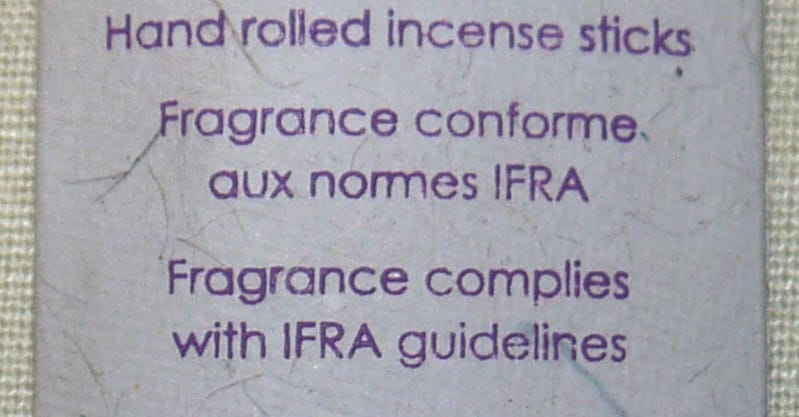
Sometimes you will see on a label that an incense complies with The International Fragrance Association (IFRA) standards. IFRA standards are not legally required by international law, as IFRA is a voluntary, self-regulatory body funded by the large fragrance companies themselves. IFRA has no reach in most of the world including North America, China and India. However, they become de facto as part of passing a safety requirements in certain regions: which include the European Union, Brazil and cosmetics in some South East Asian countries.
The IFRA standards were mainly designed for perfumes, cosmetics, and other products that come into contact with the skin, not for products that are burned and inhaled like incense. Their safety system focuses mostly on skin sensitization, systemic toxicity, and phototoxicity, while inhalation risks remain poorly studied and only loosely addressed. IFRA can recommend limits on how much of a fragrance ingredient may be used in a product, but it does not study what happens chemically when those ingredients are burned nor take into consideration the quantity when inhaled.
Combustion Chemistry and Inhalation as a Blind Spot In IFRA Regulation
This is important because burning incense creates entirely new compounds that were not present in the original fragrance mixture. For example, vanillin can break down into aldehydes, linalool can oxidize into sensitizing peroxides, and eugenol can form phenolic byproducts. Incense smoke can also produce compounds such as PAHs, benzene, and levoglucosan through combustion. These substances are combustion byproducts rather than the original fragrance ingredients themselves, which means they fall outside IFRA’s regulatory scope.
The IFRA Standards are Built around Dermal Exposure not Inhalation
As a result, a natural identical fragrance molecule may technically be IFRA compliant before burning, yet still produce irritating or potentially harmful compounds once ignited. It may be safe when dermally applied but does not take into consideration the toxic load when inhaled. This creates a major regulatory blind spot. An IFRA label on incense only means that the fragrance ingredients meet IFRA standards for their intended use before combustion, largely in relation to skin exposure. It does not mean the smoke itself has been fully evaluated for inhalation safety or combustion chemistry. An IFRA label on an incense means nothing other than the fragrance used in the incense is IFRA compliant if used on the skin.
The Safety of Solvents and Dilutents Used in Making Incense
When mixing fragrance into an incense dough, incense makers often dilute the concentrated extract to make sure the aroma is spread evenly throughout the dough. Part of the art of making incense is to formulate incense that contains resins or other ingredients that hold the fragrance.
Alcohol vs DEP (Diethyl Phthalate) and DPG (Dipropylene Glycol)
Alcohol is a safe diluent because it evaporates at room temperature, leaving only the scent. However. In modern incense production fragrance oils are more commonly mixed with diethyl phthalate (DEP) and dipropylene glycol (DPG). These compounds remain in the incense and influence both its burn and its emissions.
Combustion Effects of Dilutents
DEP and DPG carry their own chemical burden when burned, and even manufacturers’ technical sheets describe them as toxic under combustion. DEP belongs to the phthalate family, which has been studied for hormone disruption and infertility. DPG is generally considered low-toxicity at room temperature, yet at high heat it can break down into irritating aldehydes and other reactive compounds, causing headaches, eye irritation, burning sensations, and respiratory distress.
Incense Binders Safety Concerns
Similarly, the binders used to hold incense together vary widely in quality and safety. Traditional plant-based binders are generally benign, but synthetic alternatives, such as acrylic polymers and petroleum-derived waxes, can release toxic compounds when burned, including formaldehyde and acrolein, both of which are known to irritate and damage respiratory tissues.
Which Incenses Most Likely Contains Synthetics?
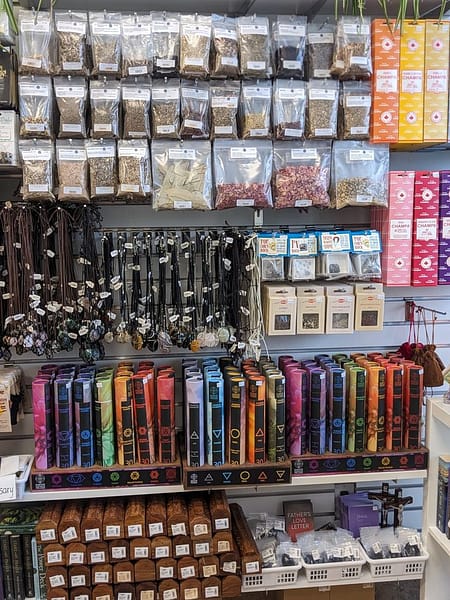
Synthetic ingredients and nature-identical fragrance molecules are most commonly found in low-cost dipped sticks and cones, bamboo-cored sticks, and bakhoors. They are less common in traditional wood-based incense; and least common in raw resins and high-end artisanal pellet incenses.
1. Bamboo-Core Sticks
Bamboo-core sticks are made by rolling and compressing perfumed incense dough onto a thin bamboo stick. The vast majority of these sticks are perfumed using synthetics. There are also widely available pre-made, unscented Bamboo-cored “blanks” and cone “blanks” that are dipped into perfumes.
Some exceptions
Bamboo cored incenses used in Buddhist practice, commonly referred to as “joss sticks,” are often produced in China or Vietnam and are less likely to contain synthetic fragrance, though this varies by manufacturer. Also, Indian, Ayurvedic, medicinal incense can be purely botanical. Its fragrance is very earthy and not perfumy.
Masala Incense
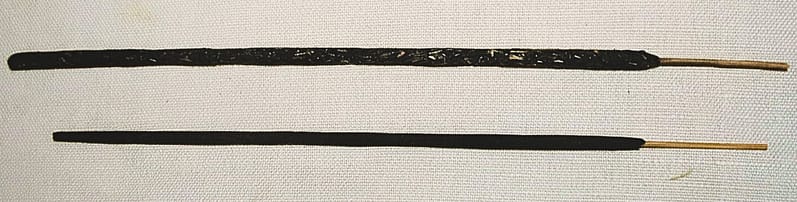
“Masala” in Hindi means a blend of natural ingredients such as spices, herbs, flowers, and resins. Bamboo-cored masala is very often made from plant powders combined with partial or fully synthetic fragrance oils. Masala incenses are often marketed as “natural” or “handmade.” despite the presence of synthetic aromatic components. They are often floral or “fantasy” compositions such as ocean, apple, or dragon’s blood, or are designed to imitate costly natural materials like oud (agarwood), sandalwood, or musk. Masala incenses with synthetic aromas are typically floral or “fantasy” scents such as ocean, apple, or dragon’s blood, or are designed to mimic expensive naturals such as oud/agarwood, sandalwood, and musks
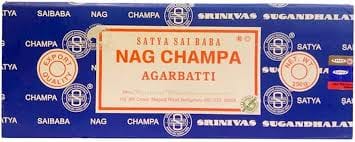
Nag Champa Incenses Have Always Contained Synthetic Ingredients
The most famous masala incense is Satya’s “Nag Champa.” Invented in the late 1950s, Satya’s Nag Champa has always been a blend of a natural base with a partially synthetic fragrance oil. Over the years, its fragrance profile has changed, as some of the synthetic chemicals in the formula were banned and went out of production due to their toxicity in perfumery. This change has been noted by incense lovers in many online forums. Today, Satya Nag Champa remains a partially synthetic incense, with its formula never having been divulged. The musky floral scent of Nag Champa is impossible to achieve in an affordable incense without the use of synthetics or nature-identical aroma materials.
Dipped Incense
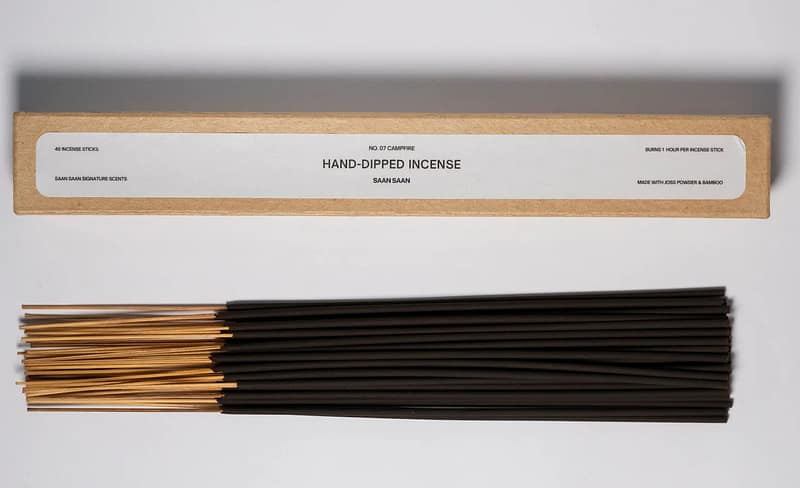
Bamboo cored and cone blanks are made out of unscented charcoal or bamboo powder and a binder. The blanks are scented by soaking them in perfumes diluted with solvents, a process known in the incense industry as “dipping.” Perfumed dipped bamboo-cored sticks and cone incenses are almost always made with synthetic or nature-identical fragrance, since their charcoal and/or bamboo base is without scent. They have a very intense scent even when unlit, with “perfumy” or single-note aromas. They are often black or brightly colored and can sometimes feel slightly oily, leaving residue on the fingers. While they are at the very lowest end of the perfume manufacturing industry, designer brands often commission perfume-soaked blanks using their designer perfumes which are not at all suitable for burning.
2. Bakhoor and Other Perfumed Woods
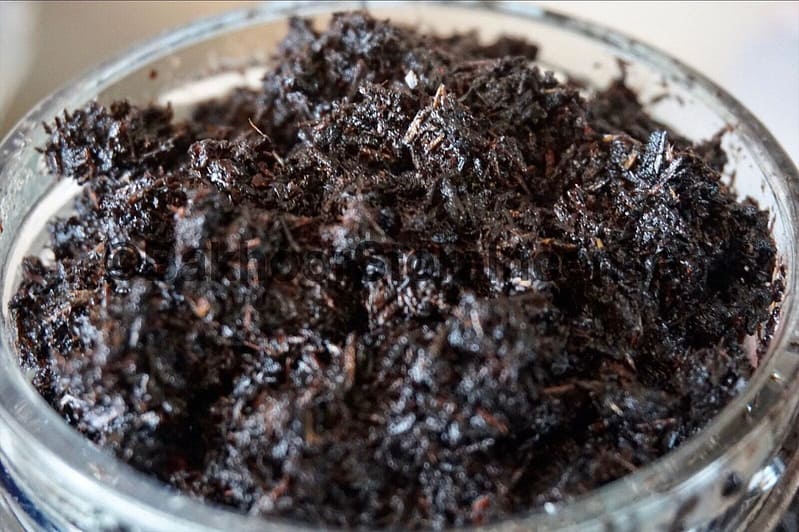
Middle Eastern Bakhoor and traditional African incenses, such as Somalian Uunsi, are usually intended to be burned on charcoal. They are made by infusing perfume into wood and plant pieces or powder. Traditionally sealed with sugar, the base can instead be mixed with DPG and/or DEP to hols and help diffuse the fragrance. While they may be marketed as containing precious ingredients such as musk, rose, or oud, they are almost always heavily laced with synthetic perfumes. In addition to scenting the air, they are also used to fragrance clothing and hair.
From Botanical to Synthetic – A Changed Tradition
Before the advent of synthetic perfumes in Africa, every family or tribe, using plants and resins from their territory, had its own unique fragrance, coming directly from the land where they lived. Smelling of place was a way to identify family members without having to speak. A strong, long-lasting aroma highly desirable, masking and communicating odors in hot climates where incense is used in well-ventilated and open-air spaces. As persistent synthetic perfumes entered the marketplaces, they were readily adopted by Middle Eastern and African incense makers.
3. Church Incense
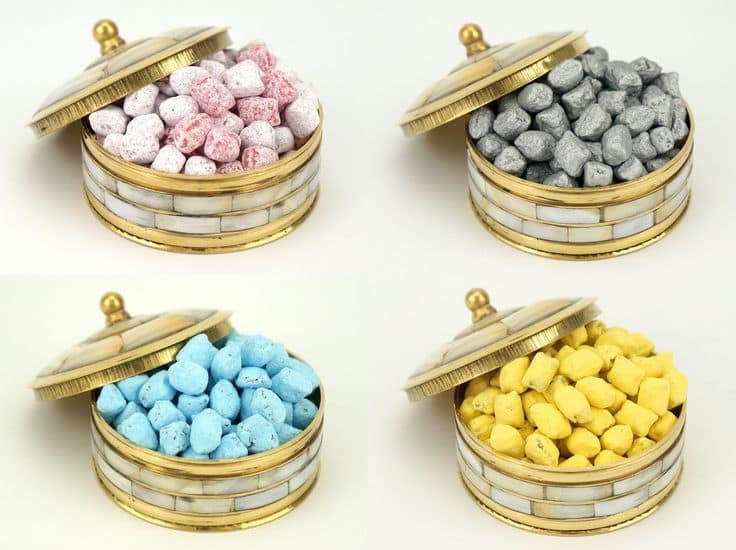
Church Incense, Greek Orthodox Church and Monastery Incense are typically made from natural resins such as frankincense and myrrh, formed into pellets or used in raw form. These are intended to be heated or burned on charcoal to release their fragrance. The pellets are made from resin powders softened with a synthetically scented solvent to form the pellets, then dusted and sealed with clay. Originally, these church incenses were made without fragrance or had essential oils added. In modern production, however, most are enhanced with synthetic fragrance oils to create floral or exotic scents such as lily of the valley, rose, or spikenard. There are small resin tears also known as Church Incense. These natural resin tears are often coated with synthetic coloring agents and synthetic perfumes. They are often marketed for specific religious purposes or to evoke a certain sacred place least likely to contain synthetic ingredients.
What Are Truly Natural Incense and Least Likely to Contain Synthetic Ingredients?
Japanese and Tibetan Coreless Sticks
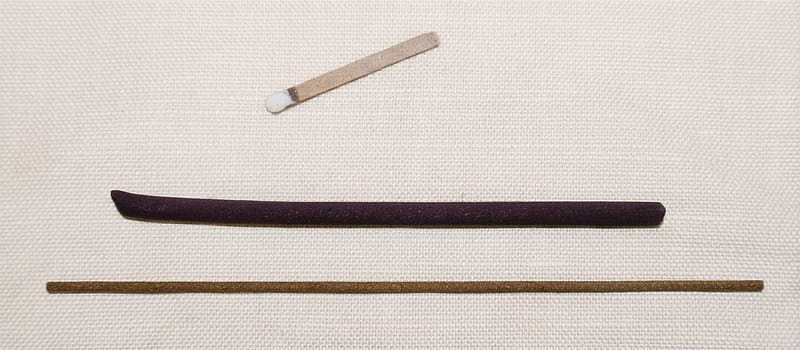
Incense sticks, without a bamboo-core, were developed in Japan and Tibet as Buddhism spread across Asia. In Tibet they are commonly used in ritual and medicine. In Japan, during the Heian period, the sticks began to be appreciated as a high art. Incense cones were invented in the 1850’s in both Japan and Europe. While traditional Tibetan incense for medicine and worship remains free of synthetic ingredients, newer Tibetan incense makers sometimes use fragrance oils to mimic Indian Nag Champa type and flower incenses in a coreless form. At the higher end, Japanese coreless incense sticks and cones remain synthetic-free. At the lower and middle end, many incense houses add fragrance oils to create floral, fantasy aromas and to boost the smell of their sandalwood.
Incense sticks without a bamboo core were developed in Japan and Tibet as Buddhism spread across Asia. In Japan, during the Heian period, incense sticks came to be appreciated as a high art. In Tibet, incense sticks are commonly used in ritual and medicine. For the traditional and high-end markets, Japanese and Tibetan style, coreless incense sticks are typically made without synthetic additives. However, in both traditions, for the popular lower and mid-range markets, synthetic fragrance oils are sometimes introduced to create floral or imaginative scent profiles, to enhance the perceived richness of materials such as sandalwood and to replicate popular Indian-style scents in a coreless format.
Raw Resins, Aromatic Woods, and Loose Incense Blends
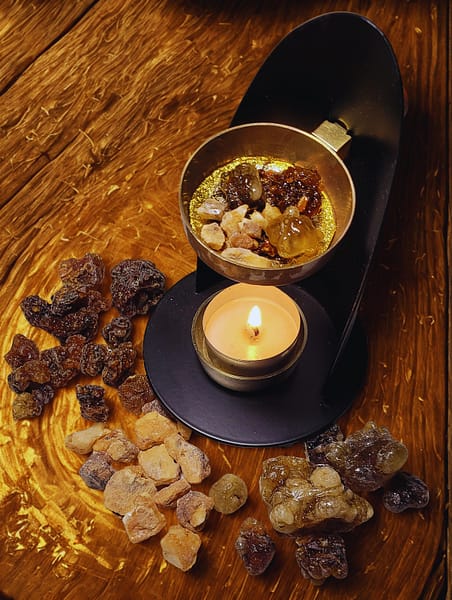
Untransformed botanicals are among the purest forms of incense, used in their natural state without processing or alteration. These materials are widely used across religious and cultural traditions in the Middle East, Africa, Europe, and the Americas. Well-known resins include frankincense, myrrh, copal, and benzoin, while the best-known aromatic woods include sandalwood, agarwood, and palo santo. Loose blends typically consist of whole or coarsely ground materials, resins, woods, herbs, and spices, without the use of binders or added fragrance.
Heated Incense
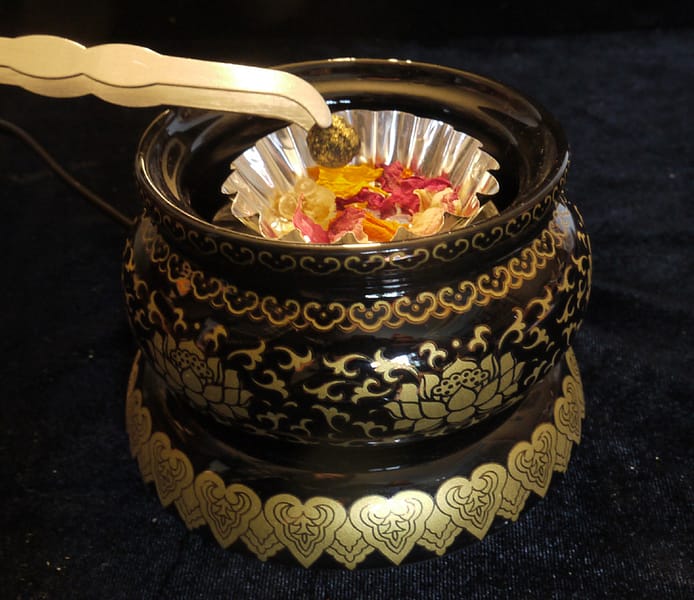
Heated Incense is one of the oldest types of incense. The incense is placed close to a heat source so that the aromas diffuse rather than burn directly. Traditionally, the incense was placed on mica above the charcoal or on ash around the charcoal. Candle heaters became common. In the early 21st century electric incense heaters were developed in Asia for convenience and to encourage the use of heated incense as a way to reduce air particle pollution in public and private spaces
The Benefits of Heated Incense
Compound heated incense pellets, such as neri-koh and kyphi, made by Japanese incense houses and artisans worldwide remain largely free of synthetic fragrance. Because these materials are heated rather than combusted, a wider range of botanicals can be used without losing their fragrance or degrading into harmful particles. With careful formulation, artisans can produce complex and nuanced aromas even more complex than synthetic fragrance oils. The gentle diffusion of heat allows for the expression of delicate plant materials, including flowers, fruits, and conifers, creating layered and natural aromatic compositions.
However, some modern products, particularly those marketed through large online marketplaces such as Ali Express and Temu, claim traditional methods while incorporating synthetic fragrance. These should be approached with caution by those seeking incense made entirely from natural materials.
How to Tell Truly Natural Incense-a natural incense checklist

Natural Incense Checklist
References
Lin TC, Krishnaswamy G, Chi DS. Incense smoke: clinical, structural and molecular effects on airway disease. Clin Mol Allergy. 2008 Apr 25;6:3. doi: 10.1186/1476-7961-6-3. PMID: 18439280; PMCID: PMC2377255.
Lee CW, Vo TTT, Wee Y, Chiang YC, Chi MC, Chen ML, Hsu LF, Fang ML, Lee KH, Guo SE, Cheng HC, Lee IT. The Adverse Impact of Incense Smoke on Human Health: From Mechanisms to Implications. J Inflammation Res. 2021 Oct 22;14:5451-5472. doi: 10.2147/JIR.S332771. PMID: 34712057; PMCID: PMC8548258.
Manina AS, Forlani F. Biotechnologies in Perfume Manufacturing: Metabolic Engineering of Terpenoid Biosynthesis. Int J Mol Sci. 2023 Apr 26;24(9):7874. doi: 10.3390/ijms24097874. PMID: 37175581; PMCID: PMC10178209.
Nainsi Kushwaha, Kanchan Awasthi, Madhu Prakash Srivastava, Neeraj Jain (2025), Environment Friend Herbal Based Business for Empower of Woman– A Stick Formation. International Journal of Innovative Science and Research Technology (IJISRT) IJISRT25MAY541, 768-776. DOI: 10.38124/ijisrt/25may541. https://www.ijisrt.com/environment-friend-herbal-based-business-for-empower-of-woman-a-stick-formation
Caress SM, Steinemann AC. Prevalence of fragrance sensitivity in the American population. J Environ Health. 2009 Mar;71(7):46-50. PMID: 19326669.
FDA – Fragrances in Cosmetics (labeling & trade-secret basics): https://www.fda.gov/cosmetics/cosmetic-ingredients/fragrances-cosmetics
Environmental Working Group (EWG): https://www.ewg.org
https://pdfcoffee.com/incense-manufacture-pdf-free.html
21 CFR 701.3 – U.S. ingredient labeling rule: https://www.ecfr.gov/current/title-21/section-701.3
IFRA Transparency List – what can hide under “fragrance”: https://ifrafragrance.org/initiatives/transparency-list
IFRA Standards – current industry limits: https://ifrafragrance.org/safe-use/standards
https://www.nature.com/articles/s41598-024-84565-z
https://www.tandfonline.com/doi/full/10.2147/JIR.S332771#graphical-abstract
Nitro musks: bioaccumulation & regulatory actions (Australia NICNAS review):
Scientific American – synthetic musks & environmental persistence: https://www.scientificamerican.com/article/scent-of-danger/
Campaign for Safe Cosmetics: https://www.safecosmetics.org
NIH ToxNet / PubChem for individual chemical research: https://pubchem.ncbi.nlm.nih.gov/
Cosmetic packaging leachables: Identification of potential leachables from cosmetic plastic packaging (analytical study): https://pmc.ncbi.nlm.nih.gov/articles/PMC7248719/
https://pubmed.ncbi.nlm.nih.gov/26030111
Selected oxidized fragrance terpenes are common contact allergens
https://pubmed.ncbi.nlm.nih.gov/15932583
Exposure to terpenes: effects on pulmonary function
https://pubmed.ncbi.nlm.nih.gov/6852927
Terpene exposure and respiratory effects among workers in Swedish joinery shops
https://pubmed.ncbi.nlm.nih.gov/9167234


