 Skip to content

 Français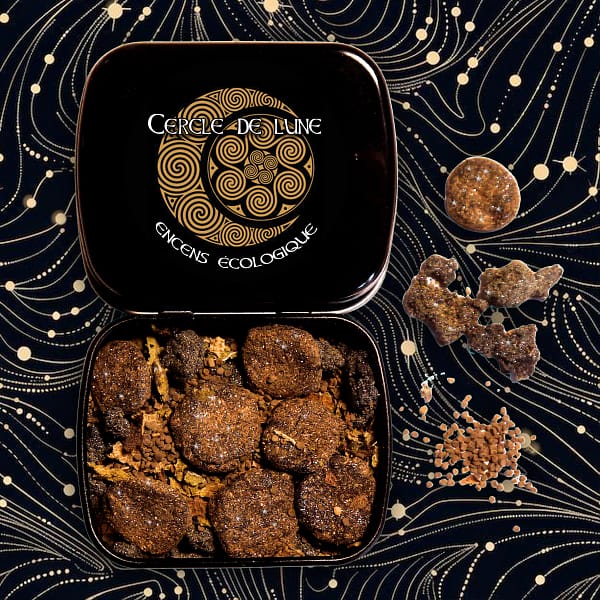


MOON CIRCLE
$25.00
“Moon Circle” incense is made with resins, woods, and botanicals historically used to connect with lunar energy within a circle of others, or in a more intimate circle between you and the moon alone. An incense that opens your receptivity, and deepens your ability to tap into your intuition.
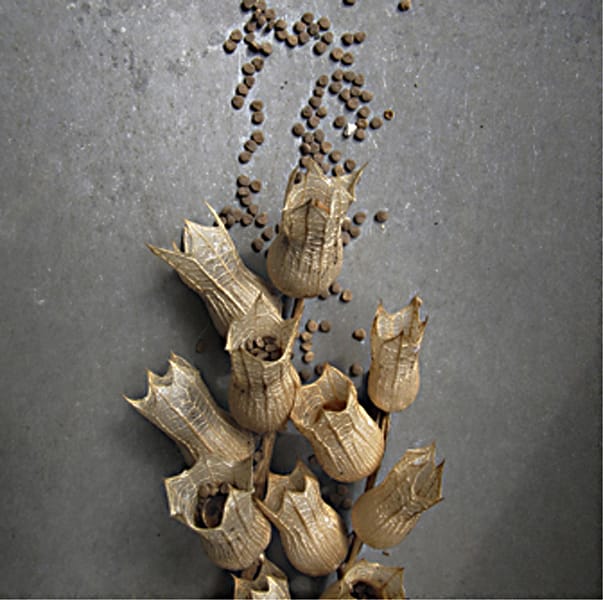
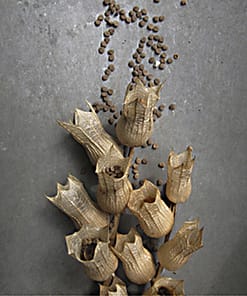
I made this incense in three parts: a dark, richly scented amber compound incense to represent the night sky; a sweet, light-smelling amber compound incense pellet to represent the lunar disk; and a portion of henbane seeds, which have historically been used from Denmark to India to help spirit workers to relax and connect their intuition and the invisibles of the world. During diffusion, the Moon disk gently transforms, melting into a smooth liquid pool, while the night sky pieces preserve their form as they release their dark fragrance.
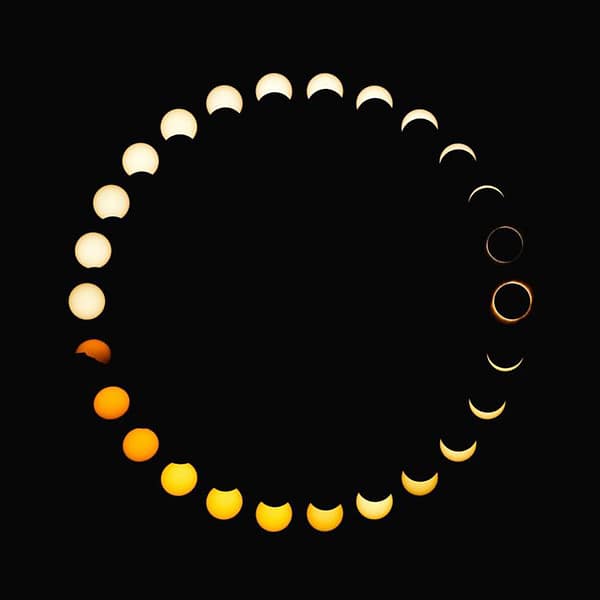
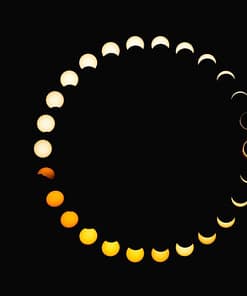
Moon Circle incense may be enjoyed simply for pleasure its lush amber and balsamic aroma, without regard to its individual parts, or used at any point in the lunar cycle to work with the energy of a particular phase by varying the amount of “moon” heated alongside the night sky incense. While working with any phase of the moon, use a portion of the henbane seeds to relax and deepen your connection with the unseen. For instance, use only a sliver of the moon pellet combined with the night sky incense to work with the energy of the new moon or the crescent of the waning moon; use the entire moon incense pellet to work with the energy of the Full Moon; or use only the night sky incense to work with the energy of the dark moon.
Incense Notes: Moon Pellet– Sweet amber, Vanilla, balsamic, spicy, tea-like Night Sky – Musky amber, leathery, dried fruits Henbane Seeds – subtle, earthy, nutty
Heat this incense on an electric incense heater at 160 -170 º.
Ingredients- Seven glowing light amber pellets for the Moon nestled in a dark amber of the Night Sky layered with Clary Sage leaves and Henbane seeds. Moon: White Benzoin, Clary Sage flowers and leaves from the Garden, Nha trang Agarwood, Storax bark, Halmaddi resin, nutmeg, Organic Clary Sage essential oil and Muskrat musk tincture. Night Sky: In-house, Poplar Bud Absolute, Wild crafted Tree moss, Liquidambar Formosa resin, Black Benzoin, Nagamotha root, Organic Clary Sage essential oil, Henbane seeds from the garden
Inspiration
My scent-sister and ritualist, Katlyn Breene, is writing a book about the monthly, seasonal moons, plants, rituals, and incense. I was delighted when she asked me to join her and her other collaborator, Tam, by writing essays on the plants that I grow in my Moon Garden. My work and observations at night with flowers and plants in my fragrant Moon Garden have led to some of the most enchanting and profound experiences of my life.
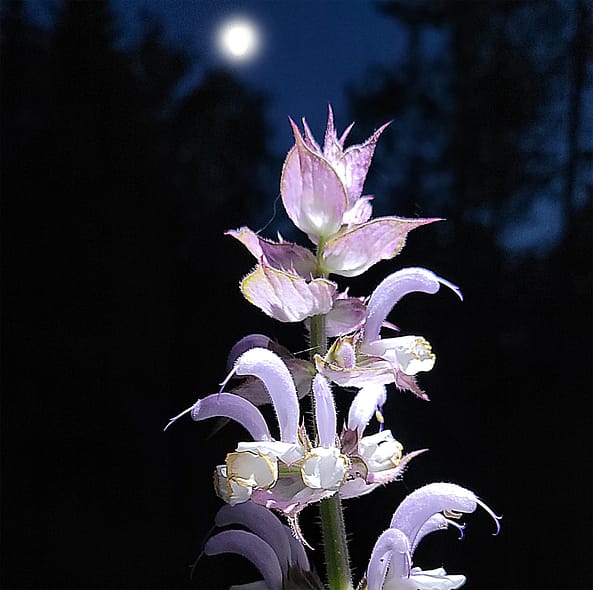
During the green time, when I live in my forest cabin, I easily observe the moon in the sky as she goes through her phases. The windows at the foot and head of my bed face east and west and the extra light often wakes me up in the early morning to see the waning crescent rising in the east, or a waning gibbous setting in the west. During the cold time, when I live in town with only a west-facing bedroom window, observing the Moon is more difficult. Even so, I still feel the effects of its phases.
The most well-known of these energetic shifts is that plants grow upward during the waxing phase of the moon and downward during its waning phase. Because I live so far in the North, I find that I am not always able to time my planting to the monthly Moon cycle, but all of my harvests are tied to the phases of the moon according to when the plants’ roots, flowers, or leaves are the most fragrant. I observe the plants’ reactions and the effects on my body, spirit, and, of course, the plants themselves.
Full moon nights are the time for fragrant plant harvests, and in the human world, emotional tides run high. Doctors, nurses, EMTs, police officers, and elementary school teachers all agree that full Moons bring out bizarre, outwardly directed behaviors. The dark of the Moon is the time for gathering roots and for turning inward, with quiet reflection and low energy prevailing. With this inward turning, psychiatrists note that calls to suicide prevention hotlines peak.
No matter whether I am gardening outside or inside as the snow flies, these different Moons carry different energies for my daily life. When I first became aware of moon energy, I focused on the Full Moon, but lately its opposite has become intriguing to me: those three days known as “the dark of the Moon,” when the Moon passes between the Earth and Sun, rendering its sunlit side invisible from Earth. These are the days of death.
Then, on the fourth day, the Moon is reborn as a thin crescent. In the ancient Middle East, time itself did not begin again until after the new moon crescent was spotted. Its arrival was celebrated with trumpets and bonfires. The dark of the moon is a reminder that the Moon, and life itself, is more than the Mother, Maiden, and Crone aspects of the lunar cycle, but also the experience of death with the hope of rebirth.
Watching the waxing Moon appear in the afternoon and evening sky, facing left as it slowly moves away from the setting Sun, it seems with each passing day to flee the Sun in order to grow full and shine in its own right. Then, after the Full Moon, it turns right and begins to wane, rising in the morning sky and moving steadily back toward the dawn, chasing the Sun until the two meet once more.
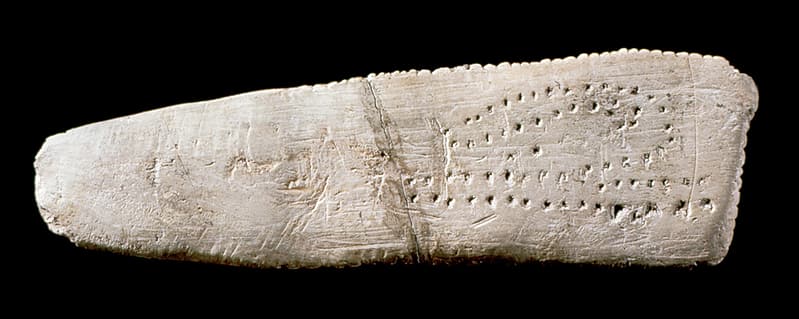
As I gaze up at the Moon, I feel connected to our ancestors, knowing that they created the ideas of time, rebirth, and eternity from their own observations of the Moon’s phases. Consciousness itself, what it means to be human, seems to have been born from these observations.
The Moon has been the keeper of time, and the symbol of rebirth and renewal, since humanity first looked upward. Plato wrote that the Moon is “the moving image of eternity.” The Moon shows the constant movement of time. For the mythic imagination, the Moon does not merely measure time; it is time itself, and also a symbol of the eternal source from which time flows.


Reviews
There are no reviews yet.